

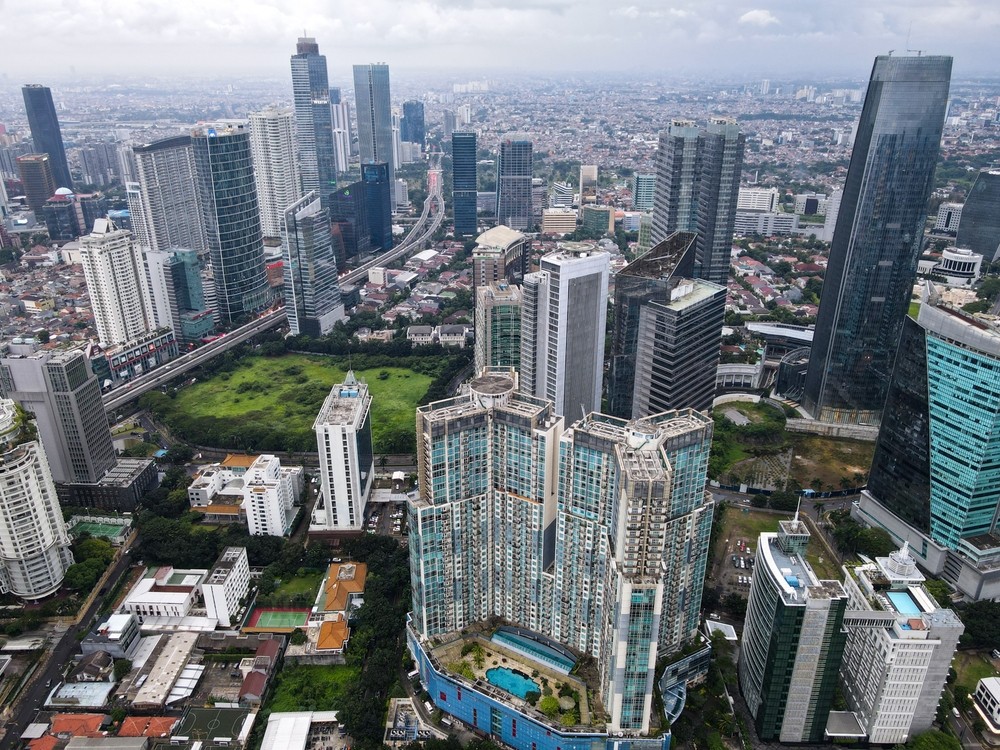
Jakarta, the capital of Indonesia, has officially become the world’s largest city, surpassing metropolises such as Tokyo and New York, according to the latest United Nations report on urbanization. The city, already known for its intense traffic and population density, now has over 37 million inhabitants in its metropolitan area.
The UN report highlights that this rapid growth brings numerous challenges to urban infrastructure, including housing, transportation, sanitation, and healthcare services. Experts warn of extreme congestion, pollution, and pressure on natural resources, calling for more sustainable urban policies.
The Jakarta government has recently announced plans to expand public transport and improve access to essential services, but critics argue that these measures may be insufficient given the accelerated pace of population growth.
This global milestone puts Jakarta in the international spotlight, emphasizing the importance of effective urban management to ensure quality of life and sustainability in one of the fastest-growing megacities on the planet.
