

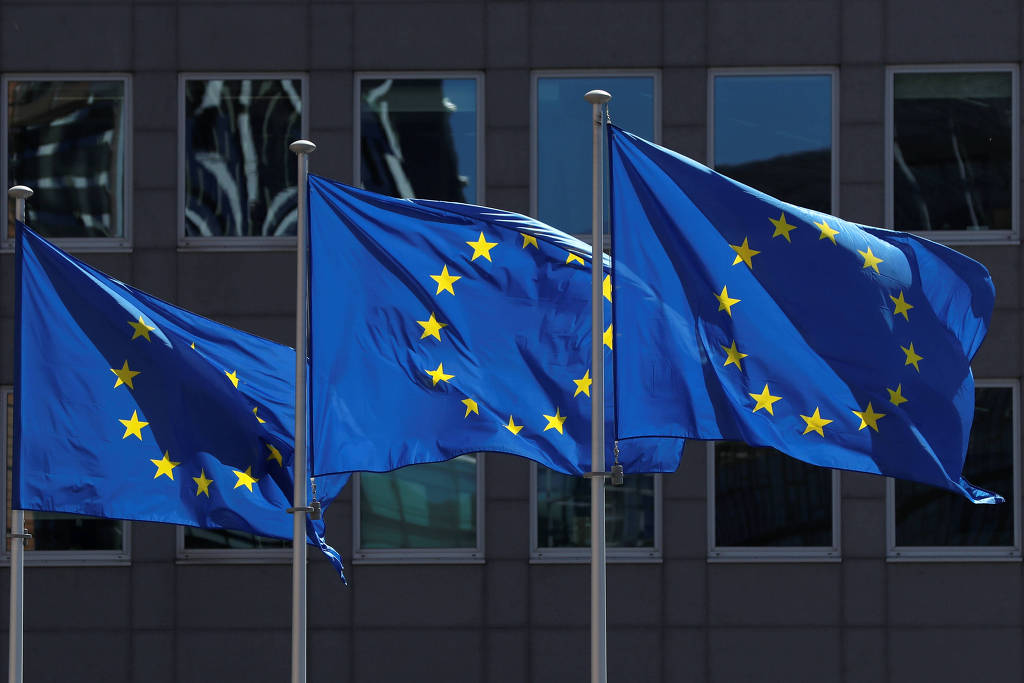
The decision, backed by 26 of the 27 EU member states, with Hungary as the sole dissenter, reflects the EU’s proactive stance in safeguarding its economic interests amid escalating trade tensions.
The tariff plan comprises two key components. The first is an earlier package, approved in April, targeting €21 billion ($22.6 billion) worth of US goods, including soybeans, steel, and aluminum. The second, newly proposed by the European Commission, addresses €72 billion ($77.4 billion) in American products, such as aircraft, cars, car parts, poultry, orange juice, yachts, and bourbon whiskey.
Despite lobbying from France and Ireland, who feared US retaliation on their wine and spirits industries, bourbon was included after consultations with EU industries. All targeted goods face tariffs of up to 30%, matching the US threat of a 30% tariff on EU imports if no agreement is reached by August 1st, as announced by US President Donald Trump.
The EU’s strategy extends beyond goods. A proposed anti-coercion instrument, supported by a qualified majority of member states, would allow the EU to impose restrictions on US services, including technology and financial sectors, in the event of a negotiation breakdown. Initially hesitant, Germany has aligned with France, a long-time advocate of this measure, following discussions between German Chancellor Friedrich Merz and French President Emmanuel Macron. A source from the Élysée emphasized their shared commitment to securing an agreement that protects EU interests while preparing countermeasures in coordination with the European Commission.
Despite the looming deadline, EU member states have expressed support for the Commission’s ongoing negotiations with Washington, which appear to be moving toward a 15% baseline tariff rate. To preserve negotiation space, the EU has agreed to delay implementing retaliatory measures until talks collapse. This balanced approach reflects the EU’s determination to avoid escalation while preparing for all outcomes, especially as the US currently imposes 50% tariffs on EU steel and aluminum, 25% on cars, and 10% on other imports.
