

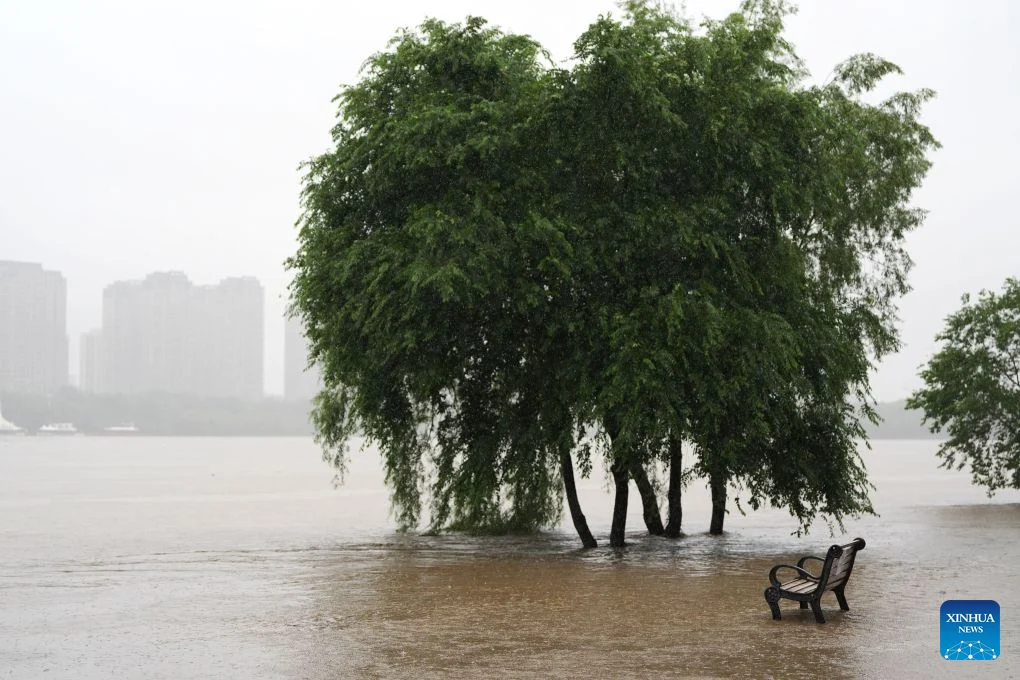
Panama has officially declared a state of national emergency to cope with intense rainfall and severe drought conditions driven by the El Niño climate phenomenon, which has already forced operational cutbacks along the Panama Canal.
Speaking at a press conference on Tuesday, Minister of the Interior Dinoska Montalvo stated that the emergency declaration stems from the necessity to prepare for potential compounding impacts caused by El Niño, which scientists warn could become one of the most significant occurrences on record.
The government order aims to streamline administrative and financial procedures to rapidly respond to the ongoing climate disruptions. official data indicates that localized flooding in Panama has already impacted at least 15,643 people this year, primarily across the country’s northern and western regions.
Simultaneously, hydrological assessments show severe water scarcity developing across multiple river systems:
Read more about this topic: El Niño could push 50 million people into acute hunger by end of 2027
Eleven river basins are currently classified as experiencing acute water stress. According to forecasts from the Institute of Meteorology and Hydrology of Panama, several regions face severe drought conditions starting in October and lasting through March 2027.
The water deficit has severely impacted operations at the Panama Canal, an 80-kilometer waterway responsible for handling approximately 5% of global maritime trade. The Panama Canal Authority announced that daily vessel transits will be reduced from 36 to 34 per day beginning September 3, with further cuts to 32 transits planned as water levels drop.
The regional impact of El Niño extends across Central America:
El Salvador: Red Cross and Civil Protection authorities declared a maximum drought alert following extensive agricultural losses across vulnerable growing zones. Honduras: Government officials placed nearly 80% of national territory under weather alerts as southern and western regions reported severe losses in staple maize and bean crops.
Read more about this topic: This year’s El Niño is on track to be the strongest ever recorded. Here’s what forecasters say it means for droughts, floods and heat
Food Security: The United Nations World Food Programme warned that Central America faces the highest relative increase in regional food insecurity linked to El Niño-driven extremes.
The current climate event coincides with broader increases in global ocean temperatures. Data from the European Copernicus observatory recorded average global sea surface temperatures reaching an all-time daily high of 21.1°C, driven by a combination of global warming and El Niño conditions.
