

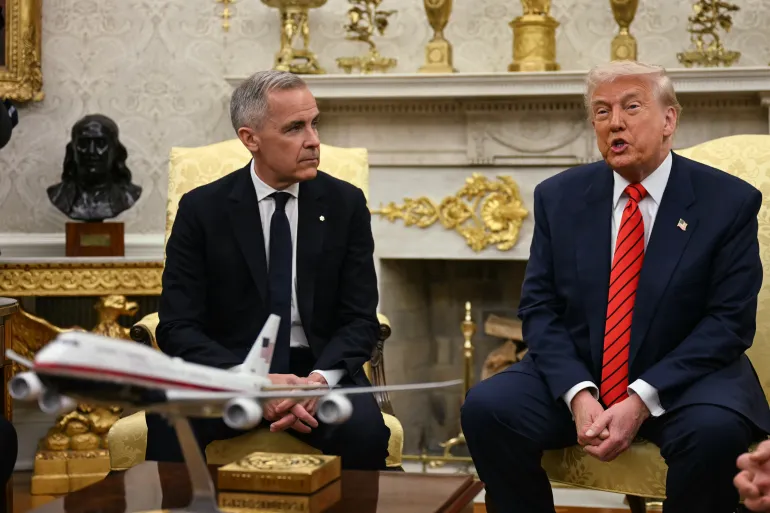
Tensions between Ottawa and Washington escalated sharply following an unexpected decision by US President Donald Trump to impose a 50% tariff on a broad range of Canadian imports. The announcement came immediately after Prime Minister Mark Carney and President Trump attended the World Cup final together in New Jersey alongside Mexican President Claudia Sheinbaum.
The newly proposed levies, scheduled to take effect in mid-August, target products ranging from sporting goods to synthetic wigs and candles. The US administration justified the measures by citing alleged regulatory discrimination against American dairy, automotive, and alcohol products.
The escalation occurs amidst ongoing negotiations to update the United States-Mexico-Canada Agreement (USMCA), a trilateral trade deal governing approximately $2 trillion in annual regional trade.
The announcement adds to existing trade friction between the neighboring nations. The US continues to maintain active duties ranging between 15% and 50% on Canadian industrial metals, along with substantial tariffs on softwood lumber and automotive components. In response, Canada maintains a 25% retaliatory duty on select American industrial goods and vehicles, while several provinces have restricted the sale of US alcohol.
Read more about this topic: Tariffs: Why is Trump taxing goods from Canada? (with video)
Despite the fresh wave of economic pressure, Canadian political leaders and trade analysts are advocating for a firm stance. Ontario Premier Doug Ford called for a strong response, urging the federal government to resist making unreciprocated concessions. Trade experts similarly warned that capitulating to sudden tariff threats could undermine long-term trade leverage and national standing.
Public opinion within Canada remains largely supportive of a firm posture, with polling indicating widespread skepticism regarding trade promises from Washington and little desire for federal leadership to back down. While US officials point out that bilateral discussions occur frequently, they have expressed frustration over Canada’s willingness to enforce retaliatory tariffs—a measure matched globally only by China.
Prime Minister Carney indicated that he spoke with President Trump following the announcement to discuss accelerating trade negotiations. Addressing reporters, Carney reaffirmed that while securing a comprehensive trade agreement remains the primary goal, Ottawa is evaluating every available option to respond should the new tariffs proceed as scheduled.
