

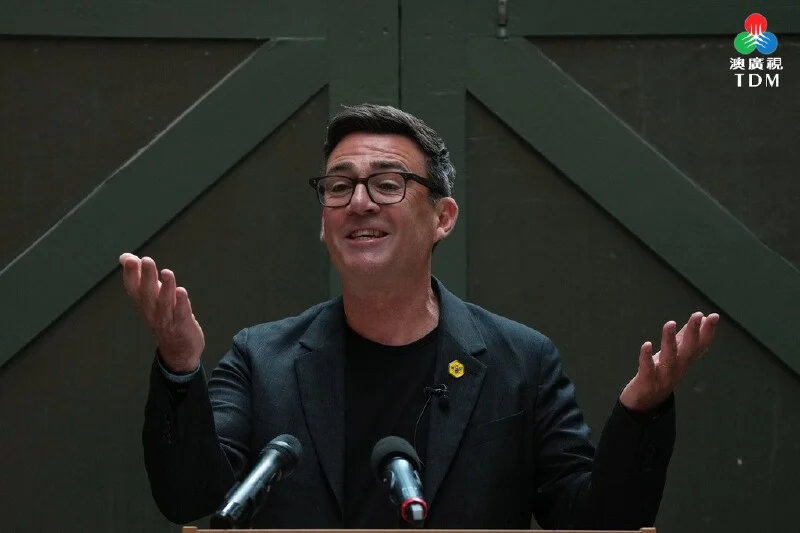
When Andy Burnham officially became the leader of the United Kingdom, he set a distinctly different tone from his predecessors by beginning his first day in office far from the formal corridors of power. Before meeting King Charles III at Buckingham Palace to accept the invitation to form a government, Burnham spent his early morning chopping mushrooms alongside volunteers at a London homeless shelter.
The calculated contrast highlighted a symbolic promise to center human care and social reform at the core of his administration, positioning his leadership as a clear circuit breaker after years of political instability.
Addressing the nation outside 10 Downing Street without a traditional lectern or prepared notes, the new Prime Minister acknowledged public disillusionment with government while outlining an ambitious economic and social agenda.
Pledging an immediate end to rough sleeping nationwide—a personal crusade honed during his nearly decade-long tenure as Mayor of Greater Manchester—Burnham signaled a broader departure from past neoliberal policies.
Read more about this topic: UK: Andy Burnham ousts Keir Starmer’s allies in major British cabinet reshuffle (with video)
His early appointments reflected this strategic pivot, bringing veteran political figures into high-profile Cabinet roles to manage critical portfolios in finance, foreign affairs, and national security while balancing economic pragmaticism with social commitment.
Burnham’s swift transition to the premiership comes at a pivotal moment for a nation seeking stability amid shifting voter sentiment and persistent economic headwinds.
As his government prepares to release immediate relief measures and a comprehensive ten-year plan, the initial steps taken on his opening day signal an intentional effort to reconnect political leadership with everyday realities, reshaping the nation’s policy priorities for the years ahead.
