

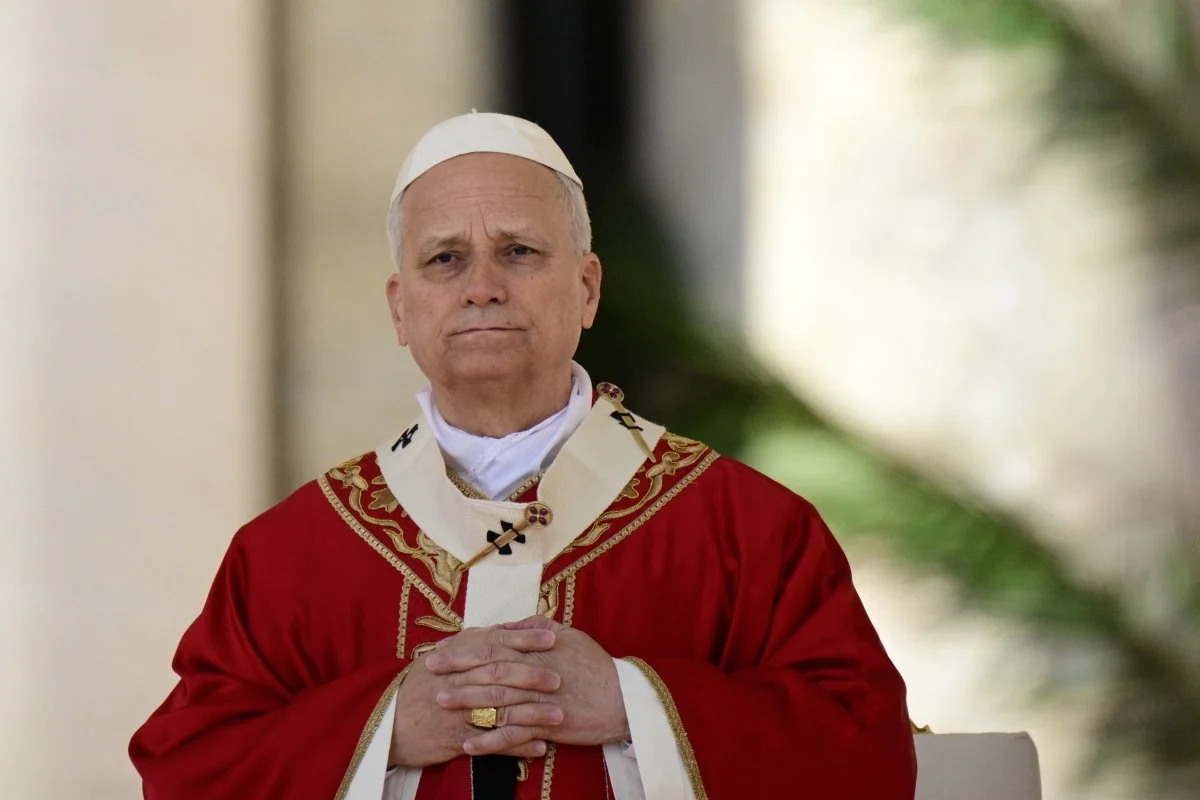
The historical tension between Catholic modernization and uncompromising traditionalism has reached a dramatic tipping point. In one of the most severe canonical actions available to the Holy See, the Vatican officially declared the right-wing breakaway group, the Society of Saint Pius X (SSPX), to be in formal schism, enacting sweeping excommunications against its leadership, its priests, and potentially its global following.
The immediate catalyst for the crisis occurred at the society’s international seminary in Écône, Switzerland. In direct defiance of Pope Leo XIV, who had explicitly written to the group pleading for restraint to preserve Church unity, SSPX leadership proceeded with the unauthorized consecration of four new bishops.
Because Catholic doctrine dictates that only the pope can authorize the creation of new bishops to maintain the unbroken lineage back to the original Apostles, the act represents an unambiguous breach of ecclesiastical authority.
The response from the Vatican’s Dicastery for the Doctrine of the Faith was swifter and went considerably further than typical canon law procedures dictate. While church law automatically applies the penalty of excommunication to the specific bishops performing and receiving the unauthorized ordination, the Holy See’s decree expanded the circle of condemnation.
Read more: Rubio meets Pope Leo XIV to reinforce U.S.-Vatican ties (with videos)
The Vatican’s watchdog authority warned that all priests belonging to the Swiss-based SSPX, as well as any lay Catholics who “formally adhere” to the group, are now considered schismatic and excommunicated. Furthermore, the decree directly invalidated key sacraments administered by the group, explicitly stating that SSPX priests can no longer validly hear confessions or officiate marriages.
This aggressive stance effectively reverses decades of cautious diplomatic concessions made by previous pontiffs, signaling that Rome’s patience with parallel church structures has officially run out.
At its heart, the conflict is not merely procedural; it is an ideological battle over the defining reforms of the 1960s. The SSPX, originally founded in 1970 by the late French Archbishop Marcel Lefebvre, has spent more than half a century rejecting the modernizing decrees of the Second Vatican Council (Vatican II).
The society adamantly opposes the council’s landmark ecumenical changes regarding relations with other religions and fundamentally rejects the modern vernacular Mass, strictly clinging to the traditional Latin Rite.
Read more: Beijing hails improving Vatican ties after Pope Leo names first Chinese bishop
For Pope Leo XIV, an American pontiff who has actively sought to heal wounds among conservative and traditionalist Catholics alienated during the previous papacy, the unauthorized consecrations forced a definitive line in the sand.
Vatican experts note that while Leo is pastoral, he views the core teachings of Vatican II as fundamental, uncompromisable elements of the faith.
By forcing a second major schism (strikely mirroring a similar 1988 event where Archbishop Lefebvre was excommunicated for the exact same offense) the SSPX has chosen institutional survival over communion with Rome.
With more than 700 priests and an estimated 600,000 faithful across 50 nationalities now operating outside the boundaries of the global Church, the divide between ultra-traditionalism and modern Catholicism appears wider and more permanent than ever before.
