

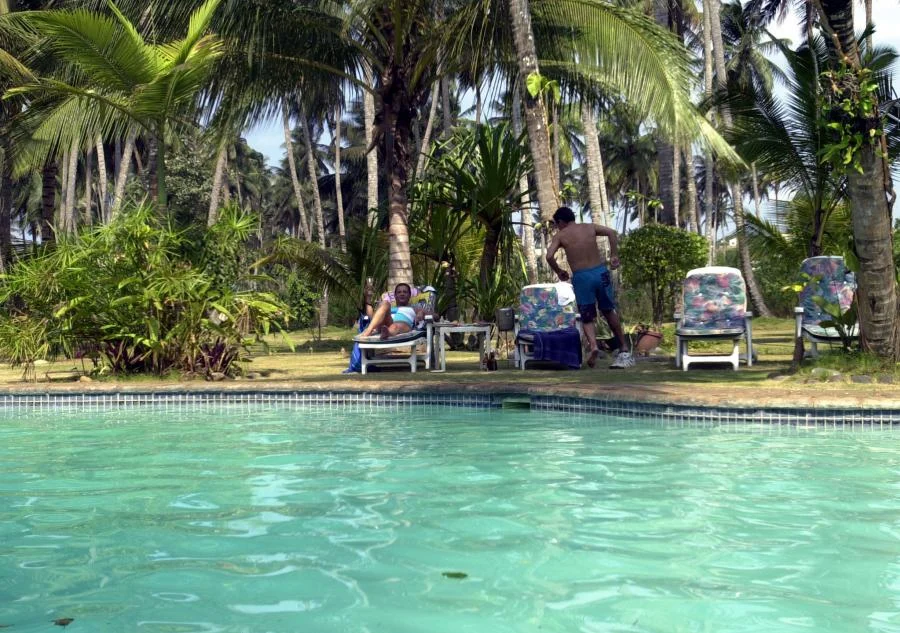
The African Development Bank (AfDB) projected today that the economy of São Tomé and Príncipe will expand by 2.4% in 2026 and accelerate further to 3.2% in 2027, driven primarily by a robust recovery in its tourism sector. According to the bank’s latest African Economic Outlook report—released in Brazzaville during the AfDB’s annual meeting—the twin-island nation’s growth horizons remain firmly positive.
This upward trajectory represents steady progressive development for the local economy, following a Real Gross Domestic Product (GDP) expansion of 1.1% in 2024 and 2.1% in 2025.
Beyond the vital tourism rebound, the AfDB highlighted that national growth over the next two years will be reinforced by construction, public infrastructure works, and targeted investments in renewable energy designed to alleviate chronic domestic power constraints.
Public spending is expected to remain strictly oriented toward supporting the poorest segments of the population, while structural fiscal consolidation is anticipated to bolster domestic revenue collection. Furthermore, institutional reforms tied to the newly implemented National Development Strategy 2026–2040 are projected to gradually improve foreign direct investment inflows into the country.
Read more about this topic: São Tomé and Príncipe broke tourism record again in 2025
However, the international financial institution balanced its outlook by warning of significant downside risks that could worsen pressures on São Tomé and Príncipe’s balance of payments. Key global vulnerabilities include fluctuating commodity markets, specifically an eventual drop in cocoa export prices alongside a spike in fuel import costs fueled by ongoing geopolitical tensions in the Middle East.
Additionally, the bank pointed to slow-moving domestic reforms in the energy sector, dwindling foreign aid inflows, rising local protectionism, and the severe, ongoing impacts of climate change as major structural hurdles for the island nation.
The upcoming domestic political cycle also poses a delicate macroeconomic challenge, with presidential elections scheduled for July 19, followed by legislative, municipal, and regional elections on September 27.
The AfDB warned that while the electoral period could temporarily accelerate the execution of highly visible public works, it risks shifting policy focus toward short-term priorities. This political pressure could delay critical structural overhauls and cause significant budgetary deviations, ultimately weakening macroeconomic stability and diluting the country’s medium-term reform momentum in a highly volatile global climate.
Read more: São Tomé: RTP África “poisons information” about the country
For the African continent as a whole, the AfDB expects broader economic growth to slow to 4.2% this year, potentially dropping to 4% if geopolitical tensions in the Middle East continue to drag on. The sweeping report was presented during the annual summit of the AfDB Group, which has gathered over 3,000 delegates from 81 member nations—including African Lusophone representatives—in the capital of the Republic of the Congo.
Operating under a flexible hybrid format due to reinforced health and safety protocols against Ebola in Brazzaville, the summit runs through Friday to address development financing challenges within a fragmented global economy.
