

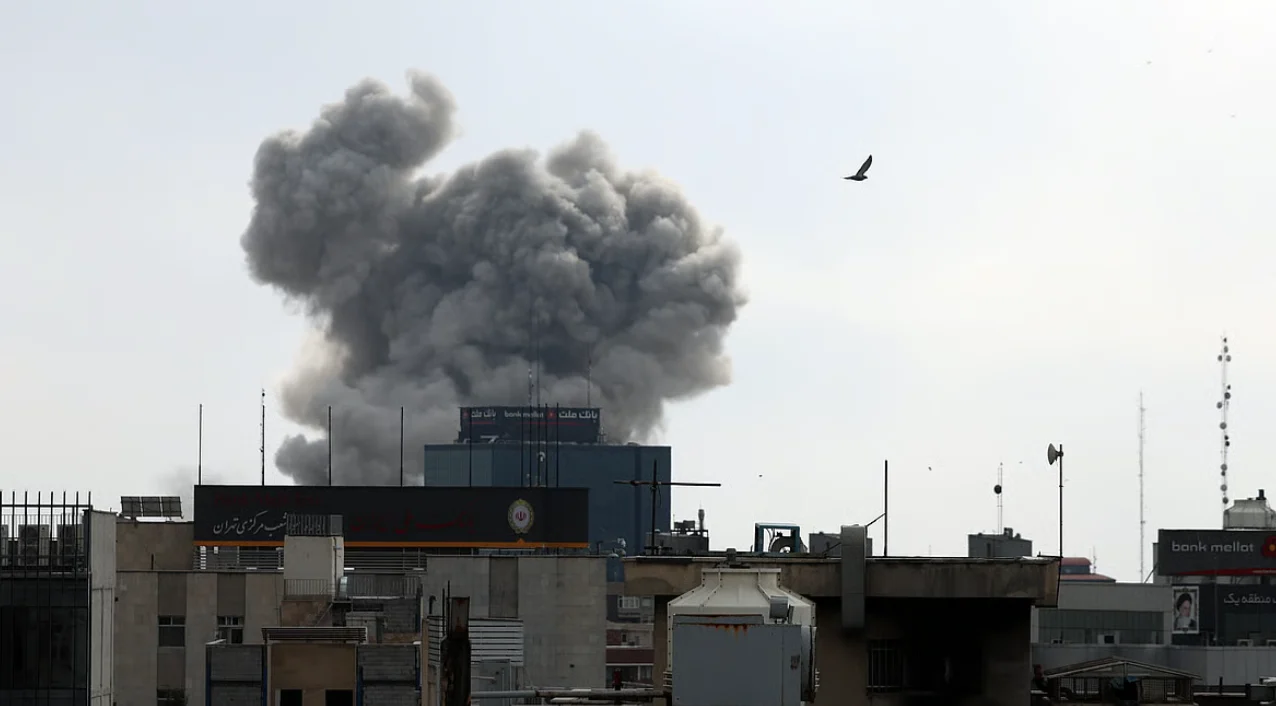
According to the official, the Iranian regime has been in conflict with the United States for “47 years,” although it has never formally declared war. Hegseth accused Tehran of being behind past attacks on American interests, including car bombs in Beirut, rocket attacks on US Navy ships, embassy bombings, and explosions in Iraq and Afghanistan attributed to Iran’s Quds Force and Revolutionary Guard.
The operation was justified based on intelligence information indicating that Iran is constructing advanced missiles and drones, which, according to Hegseth, would serve as a “shield” for its nuclear ambitions and to create conventional weapons directly aimed at the United States. “Iran had a conventional weapon pointed at our heads while trying to deceive the world into getting a nuclear bomb,” he added.
Read more: Iran: European gas prices soar after QatarEnergy halts production
Hegseth emphasized that the offensive was carefully planned to ensure maximum effectiveness and precision, minimizing collateral damage. At the same time, he sent a clear message to Tehran: “If you threaten or kill Americans anywhere in the world, we will come after you and we will neutralize the threat.”
The operation takes place in a context of increasing regional tension involving Israel, Iran, andUnited States, and raises international concerns about a possible escalation of the conflict. While the US government defends the action as necessary for protecting national security, international analysts warn of the risks of broader geopolitical repercussions, including impacts on energy markets and an increase in tensions in the Middle East.
Read more: Iran: Angola calls for de-escalation and dialogue to end hostilities (with video)
Security and foreign policy experts also point out that the operation can serve as a warning to both allied and adversary countries, demonstrating the technological and military capabilities of the United States, but also highlighting the challenges of maintaining stability in regions of prolonged conflict.
