

The conference marks the first major international gathering since US President Donald Trump publicly threatened Danish sovereignty by reiterating his intention to annex Greenland, a move that has unsettled European allies and intensified questions about Washington’s long-term commitment to Nato.
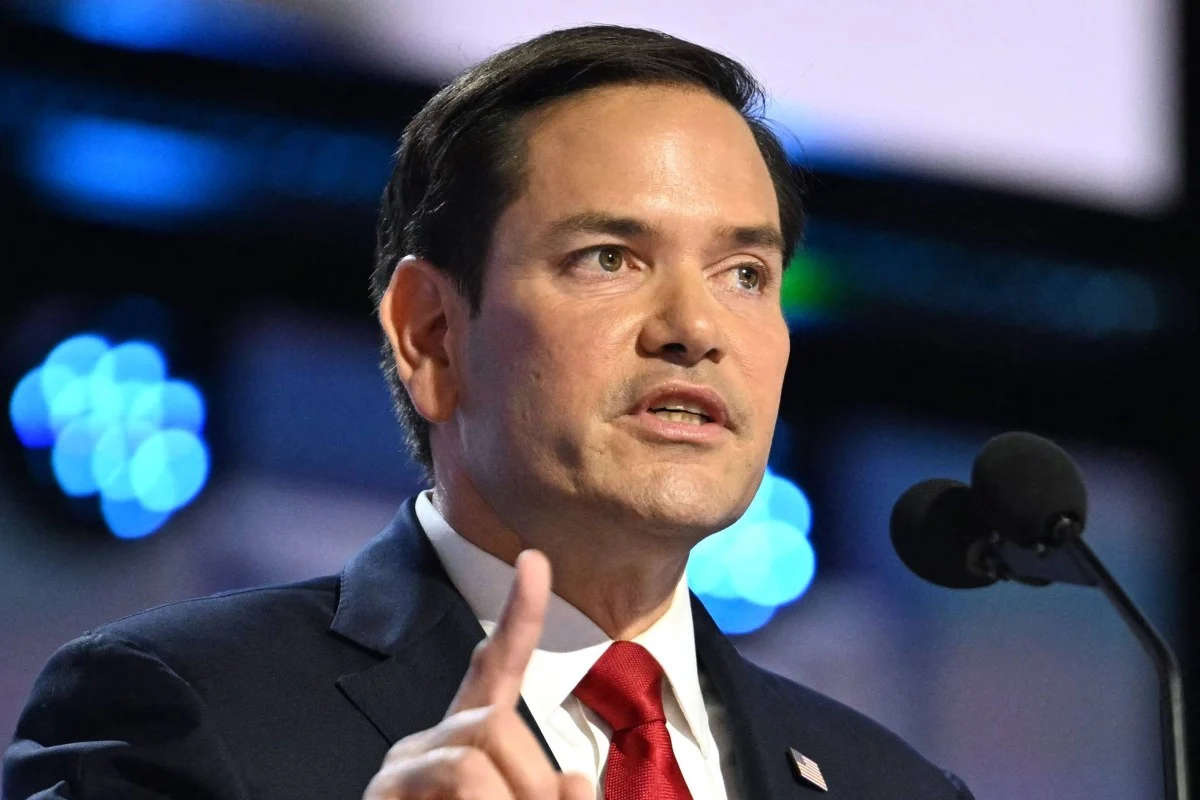
Speaking to reporters ahead of the summit, Rubio said the world was entering a “new era” in geopolitics that would require allies to reassess their roles and expectations. He stressed that European partners were seeking clarity about the direction of US foreign policy and the future of cooperation.
Transatlantic relations have been under strain since last year’s Munich conference, when US Vice-President JD Vance sharply criticised European governments over immigration and free speech policies, triggering months of diplomatic friction.
This year’s conference, attended by around 50 world leaders, will focus on European defence capabilities, the war in Ukraine, rising tensions with China, and the prospect of renewed nuclear negotiations between the US and Iran. Concerns have also grown following Trump’s claims—made without evidence—that Greenland is strategically vital to US security due to alleged Russian and Chinese activity in the region.

Greenland
Danish Prime Minister Mette Frederiksen confirmed she plans to meet Rubio to address Washington’s comments about Greenland, which is a semi-autonomous Danish territory and part of the Nato alliance. Several European leaders have described the rhetoric as a watershed moment that has eroded trust in the United States as a reliable ally.
In an open letter released ahead of the conference, former US ambassadors and military commanders warned that weakening Nato would ultimately harm American strategic interests, describing the alliance as a “force multiplier” for US power and influence.
European leaders are divided on the future of the transatlantic relationship. French President Emmanuel Macron has argued that Europe must prepare for greater independence from the US, while Nato Secretary General Mark Rutte has insisted that transatlantic ties remain strong and essential.
The debate comes as several Nato members, including the Netherlands, have committed to significantly increasing defence spending in response to long-standing US demands. However, officials caution that replacing American security guarantees in Europe would take years.
As the Munich Security Conference gets under way, its chairman Wolfgang Ischinger warned that the shared principles underpinning the international order are no longer assured, noting that recent shifts in US foreign policy are already reshaping global dynamics.
