

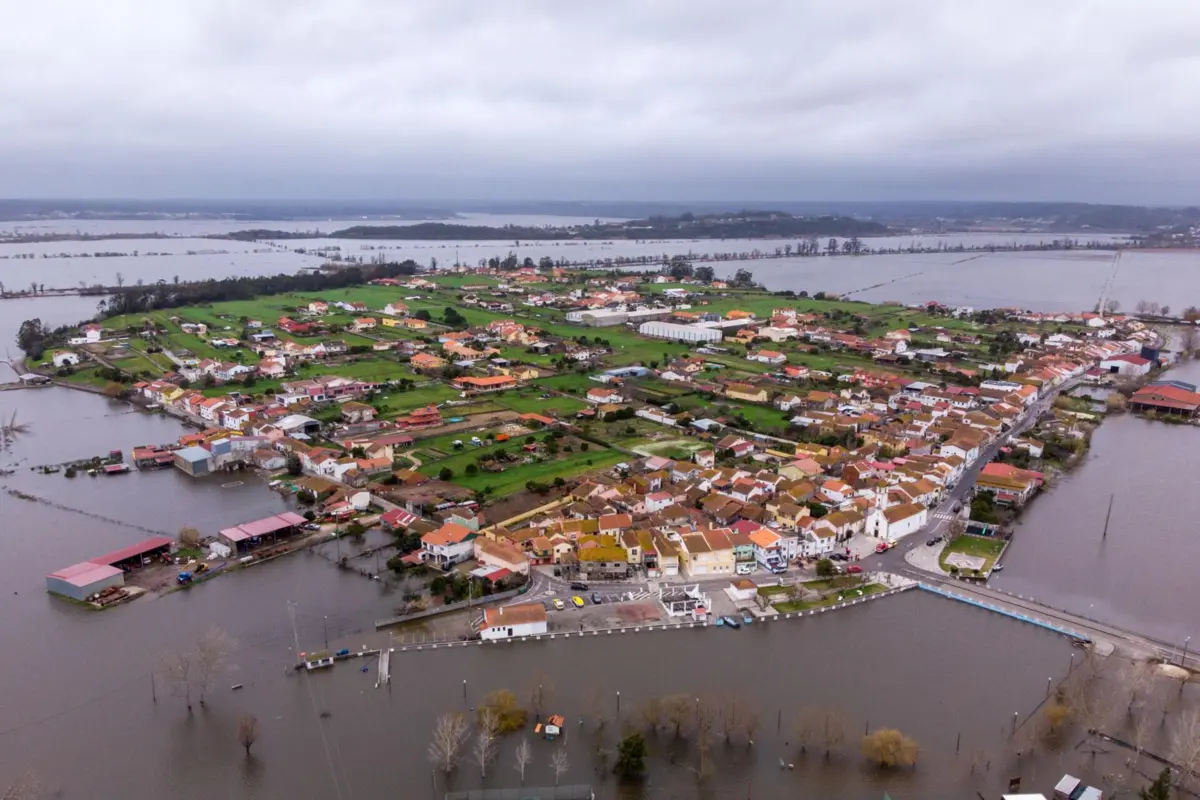
More than 3,000 residents were evacuated on Wednesday from the Coimbra region in central Portugal after the Mondego River reached critical levels. The situation worsened when part of the A1 motorway, the country’s main north–south artery, collapsed following the rupture of a dyke under the force of floodwaters.
Since the end of January, hundreds of people across Portugal have been forced from their homes in what scientists have described as the “longest train of storms within living memory”. The extreme weather has particularly affected central and southern regions, leaving around 33,000 people without electricity and causing an estimated €775 million in damage.
The crisis has also triggered political fallout. Portugal’s interior minister, Maria Lúcia Amaral, resigned on Tuesday amid growing criticism of the government’s handling of the emergency, saying she no longer had the “personal and political conditions” to remain in office.
Climate scientists and urban planning experts argue that Portugal remains ill-prepared for increasingly frequent and intense extreme weather events. Pedro Matos Soares, an atmospheric physicist, warned that land-use planning in Portugal is still based on outdated climate assumptions. “We are not prepared for the present climate, much less for the future,” he said, stressing that failure to adapt would lead to recurring disasters.
Architect and climate adaptation specialist Nuno Martins highlighted the human cost of the storms, noting that several victims died while attempting to repair damaged roofs. His NGO, Building 4Humanity, has been working on the ground in central Portugal and developed safety guidelines to help residents carry out emergency repairs, which civil protection authorities have since begun distributing.
Public anger has intensified political criticism of Prime Minister Luís Montenegro’s centre-right government. Opposition Socialist Party leader José Luís Carneiro said the resignation of the interior minister demonstrated “a failure in the government’s response to the emergency”, while far-right leader André Ventura accused the executive of being incapable of managing successive crises, from wildfires to storms.
Portugal’s difficulties mirror those faced by neighbouring Spain, which has also been hit by severe weather, prompting red and orange alerts, school closures and transport disruptions.
As storms continue to batter the Iberian Peninsula, experts warn that without decisive adaptation measures, Portugal risks facing similar humanitarian and economic crises with increasing regularity.
