

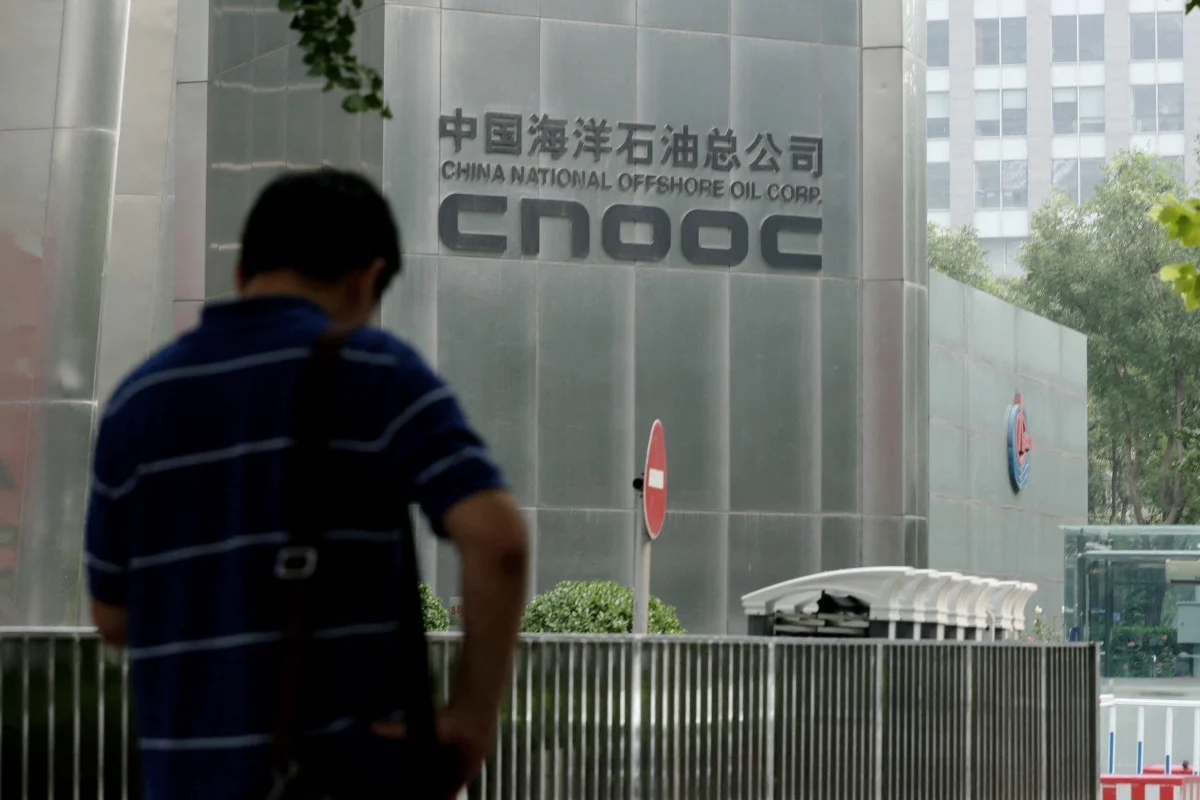
CNOOC plans to explore hydrocarbons by drilling five to six blocks in the deep waters of the Rovuma Basin in northern Mozambique. “They will start very soon. In March, they will begin preparations for exploration,” stated Estêvão Pale, the Minister of Mineral Resources and Energy, on the sidelines of the Mining Indaba in Cape Town, explaining that operations will commence after the completion of contractual and preparatory procedures.
The blocks in question are part of the offshore Save (S6-A and S6-B) and Angoche (A6-G, A6-D, and A6-E) areas, allocated to CNOOC Hong Kong in partnership with the National Hydrocarbons Company (ENH). The contracts were approved by the previous government on March 26, 2024, and signed later that year, but drilling had not yet begun.
The allocation of these areas resulted from the sixth tender for oil and gas exploration launched in November 2021 by the National Petroleum Institute, covering 16 blocks across the Rovuma, Angoche, Zambezi Delta, and Save basins, totaling more than 92,000 square kilometers.
When questioned about the possibility of a new bidding round, Estêvão Pale dismissed that idea for now. According to the minister, the government believes there are still areas available for direct negotiations with potential investors under the recent tender.
Mozambique currently has three major approved projects aimed at developing its vast natural gas reserves in the Rovuma Basin, among the largest in the world. The Coral South project, led by the Italian company Eni, has been in production since 2022.
Last October, an investment of $7.2 billion in the Coral North platform was approved, which is expected to double liquefied natural gas production to seven million tons per year starting in 2028.
The Mozambique LNG project, led by TotalEnergies and valued at $20 billion, officially resumed in January after a four-year suspension due to armed instability in Cabo Delgado, with a projected capacity of up to 13 million tons annually starting in 2029.
Next is Rovuma LNG, operated by ExxonMobil, which is expected to have a capacity of 18 million tons per year, with a final investment decision anticipated this year.
