

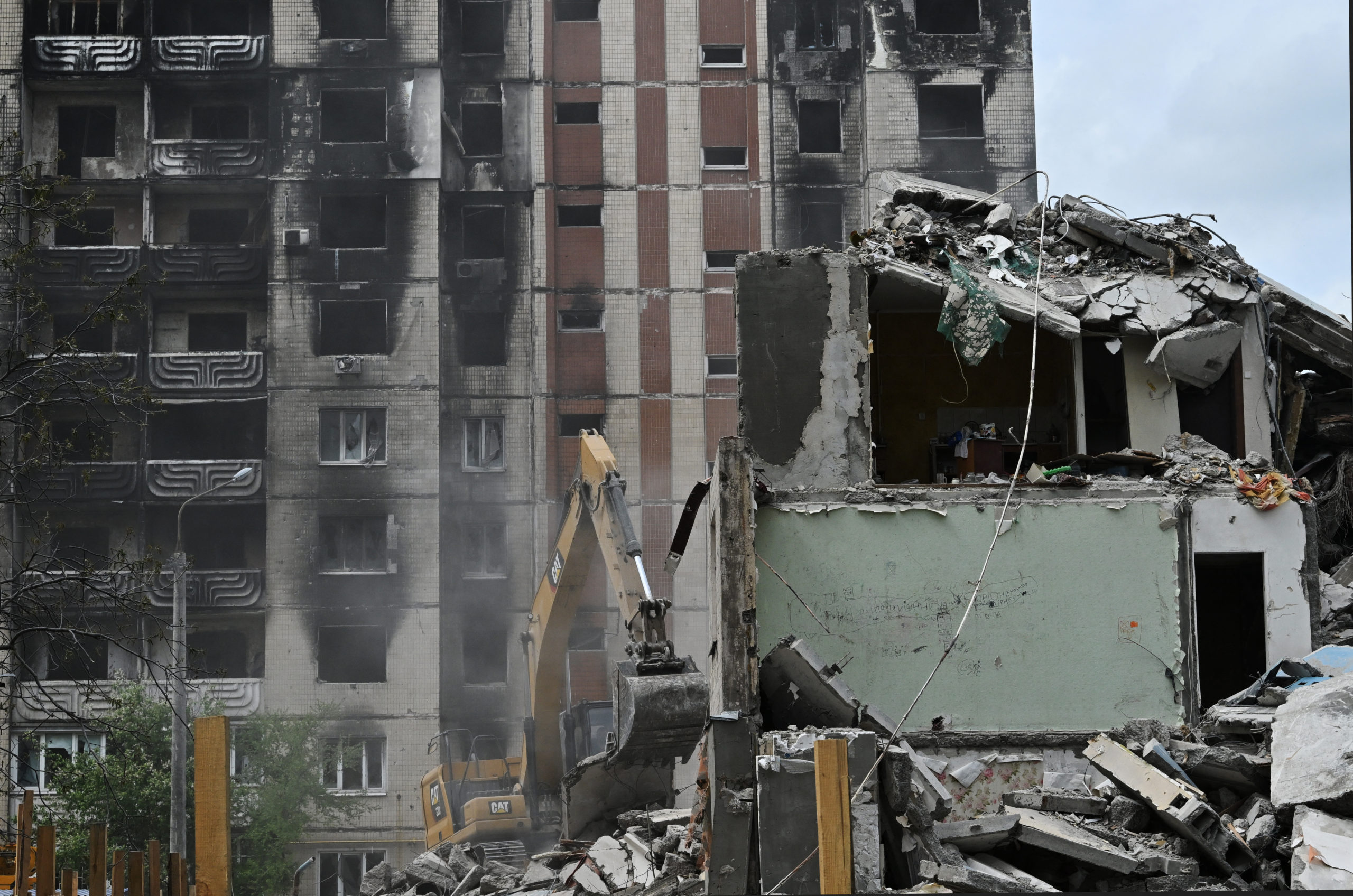
The strikes, which included over 70 ballistic and cruise missiles and 450 drones, came as temperatures plunged to -20°C, leaving more than 1,000 apartment blocks in Kyiv without heating and rendering a power plant in Kharkiv irreparably damaged. Ukraine’s Air Force intercepted only a fraction of the missiles, raising fears of further damage and prolonged blackouts.
President Volodymyr Zelensky condemned the attacks as terrorist escalation, accusing Moscow of deliberately targeting civilians in winter to force political concessions. “They are bombing civilians. They want us to freeze and die,” he said, calling for maximum pressure from Ukraine’s allies.
The attacks follow the expiry of a so-called “energy truce” brokered by Donald Trump and come ahead of new peace talks in Abu Dhabi later this week. Analysts note that repeated strikes on heating-only facilities, which serve civilians, could constitute a war crime under the Geneva Convention.
Ukrainians are enduring the harsh conditions with makeshift shelters, volunteer soup kitchens, and overnight shifts by engineers repairing the damaged grid. Despite the hardships, residents and officials insist the strikes will not break their resolve. “Russia won’t get what it wants. We are stronger than them,” said a Kyiv resident.
