

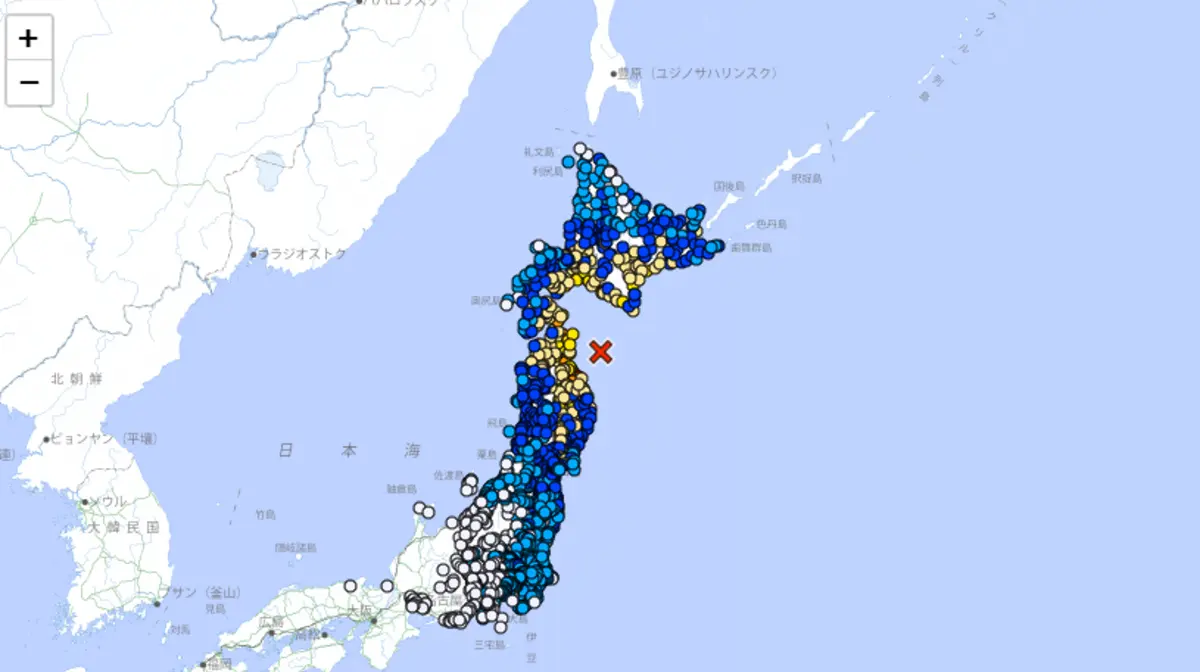
Authorities immediately issued tsunami warnings for the affected coastal areas, prompting mass evacuations as a precaution. Waves reaching up to three meters were initially forecasted, leading many communities to move to higher ground. In the hours following the quake, smaller waves hit the coast, causing minor flooding but no major destruction.
Emergency services reported dozens of injuries, mostly due to falling debris and accidents during evacuation. Power outages affected hundreds of households, and train services in the region were temporarily suspended while officials conducted safety inspections. Nuclear power plants in the area were also checked, with no abnormalities reported.
The Japanese government has activated emergency response teams, urging residents to remain alert for aftershocks and to follow safety instructions. The quake has reignited fears in regions previously affected by the devastating 2011 earthquake and tsunami, highlighting the ongoing vulnerability of northeastern Japan to seismic activity.
As the situation stabilizes, recovery operations have begun, with emergency crews focusing on clearing roads, restoring electricity, and providing aid to those affected. Officials continue to monitor the region closely, warning that further tremors and localized tsunami activity remain possible in the coming days.
Communities along the northeastern coast are preparing for a challenging period of rebuilding and recovery, while authorities emphasize the importance of preparedness and vigilance as the threat from aftershocks persists.
