

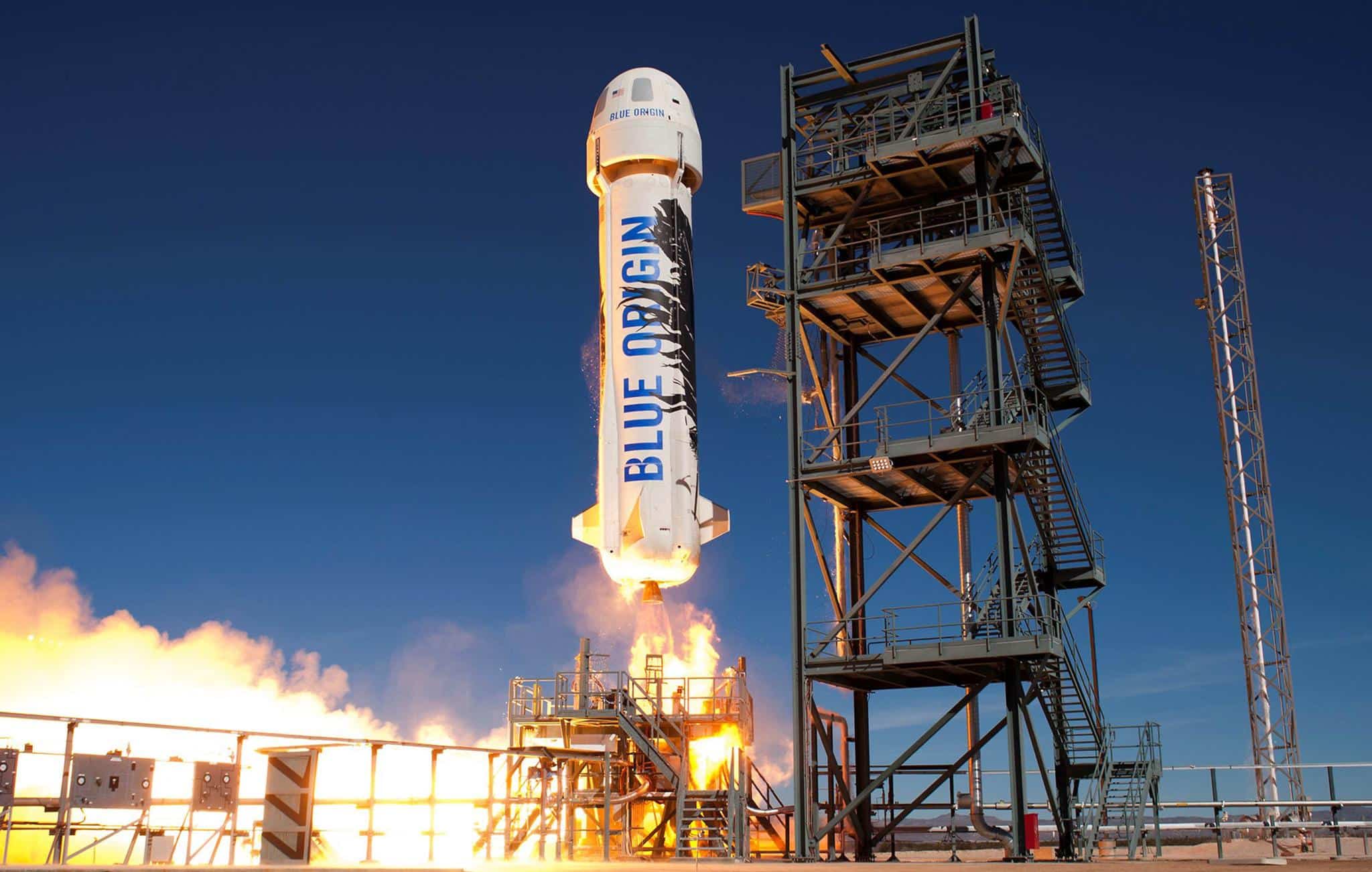
The planned launch has faced repeated delays this week due to weather issues. On Sunday, it was postponed because of conditions on Earth, and Wednesday’s delay was due to weather in space. When it finally launches, the 322-foot (98-meter) New Glenn rocket will send NASA’s ESCAPADE twin spacecraft to Mars to study the planet’s climate history.
Thursday’s launch window opens at 2:57 PM (1957 GMT) and lasts 88 minutes. The second delay was caused by “highly elevated solar activity” that NASA feared could affect its spacecraft.
The sun has been emitting charged particles that interact with Earth’s magnetic field, but the geomagnetic storm is dissipating. In North America, these solar events have created stunning northern lights displays.
The New Glenn launch is taking place amid intensifying competition between Blue Origin and Elon Musk’s SpaceX. Both companies are engaged in a commercial space race, especially after NASA opened bids for its planned Moon mission.
Blue Origin’s launch will test its ability to recover the booster, a technical milestone if successful. The inaugural flight in January was a success, with its payload achieving orbit and passing tests.
However, the first-stage booster, intended to be reusable, did not land on its Atlantic platform and was lost. In this second attempt, Blue Origin will try again to recover the booster, a feat only SpaceX has accomplished so far.
Platform with Xinhua


