

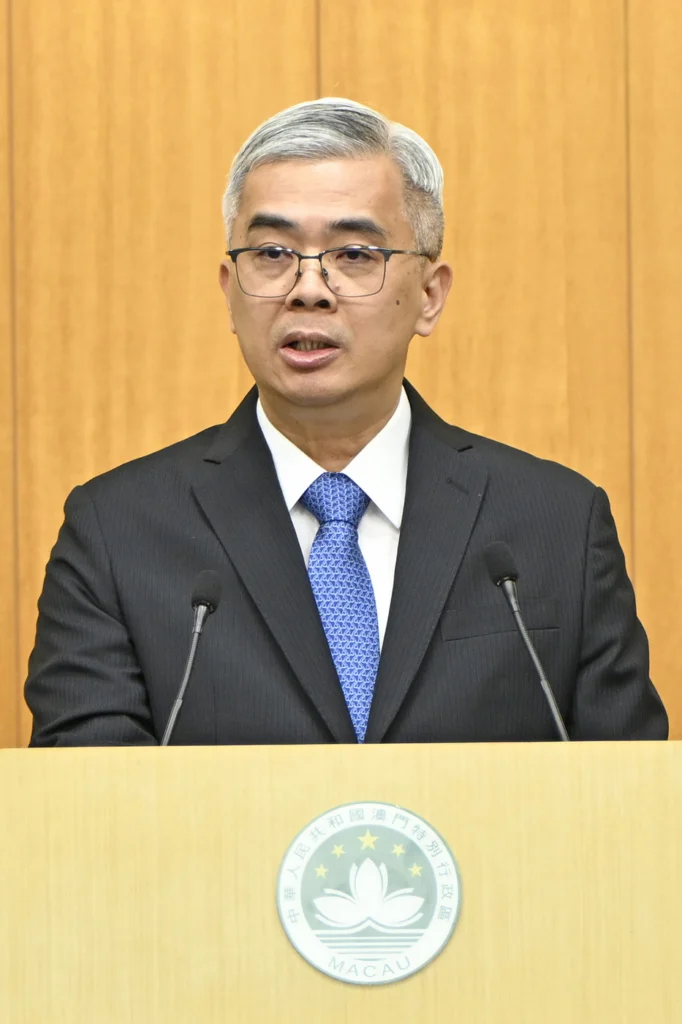
黃少澤
The draft law reinforces three key principles governing advertising activities — legality, recognizability, and truthfulness — and provides a more detailed definition of prohibited content to serve as the core framework for the sector. Reflecting evolving market dynamics, it introduces new provisions to regulate endorsement and online advertising, particularly those conducted through social media and digital marketing platforms.
For specific products and services such as real estate, medical devices, health supplements, and infant formula, the bill includes stricter requirements to ensure advertising claims reflect actual conditions and do not mislead consumers.
In line with the government’s administrative reform initiative to simplify regulations, the law proposes replacing the current “advertising installation license” system with a permit and registration mechanism, setting different criteria based on the height and size of advertising materials.
To improve the business environment, the draft also amends existing pharmaceutical legislation to allow certain types of drugs to be advertised and sold at trade fairs without prior approval. It further proposes revisions to the Cultural Heritage Protection Law, relaxing restrictions on indoor or non-designated area advertisements, which would no longer require assessment or binding opinions from the Cultural Affairs Bureau.
On enforcement, the bill updates the penalty structure by adjusting fine amounts for administrative violations and introducing new enforcement tools such as warning mechanisms, preservation measures, and supplementary penalties to enhance both flexibility and deterrence.
