

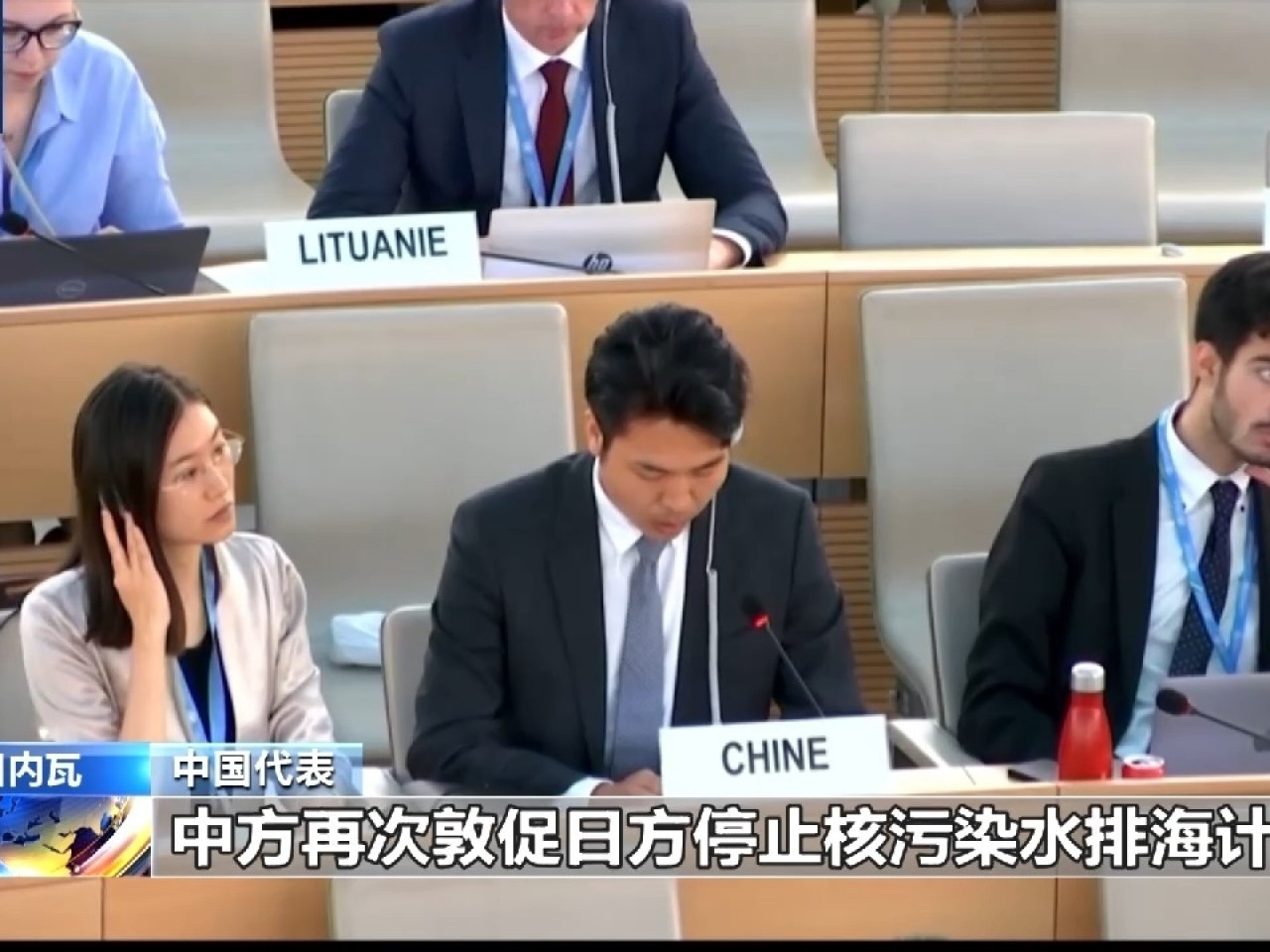
China’s customs authority on Friday said it would ban food imports from 10 Japanese prefectures over Tokyo’s plan to release treated nuclear wastewater into the ocean.
Japan’s planned, decades-long discharge of accumulated water from the devastated Fukushima nuclear facility has been approved by the International Atomic Energy Agency (IAEA) as meeting global standards.
The release is expected to begin this summer but is opposed by some regional neighbours, with Beijing vocally condemning the plan, as well as some in Fukushima, particularly fishing communities who fear customers will shun their catches.
China’s foreign ministry on Thursday said that the IAEA report cannot be used as a “green light” for the water release plan and warned of unknown risks to human health.
China’s customs authority on Friday said it would “ban imports of foodstuffs from ten Japanese prefectures including Fukushima” over safety concerns, and conduct stringent radiation tests on food from the rest of Japan.
“China Customs will maintain a high level of vigilance,” the authority said in a WeChat statement, without specifying the list of Japanese prefectures affected by the ban.
Some 1.33 million cubic metres of groundwater, rainwater and water used for cooling have accumulated at the Fukushima site, which is being decommissioned after several reactors went into meltdown following the 2011 tsunami that badly damaged the plant.
Plant operator TEPCO treats the water through its ALPS processing system to remove almost all radioactive elements except tritium, and plans to dilute it before discharging it into the ocean over several decades.
China on Friday said: “Japan still has many problems in terms of the legitimacy of ocean dumping, the reliability of the purification equipment, and the completeness of the monitoring plan.”
