

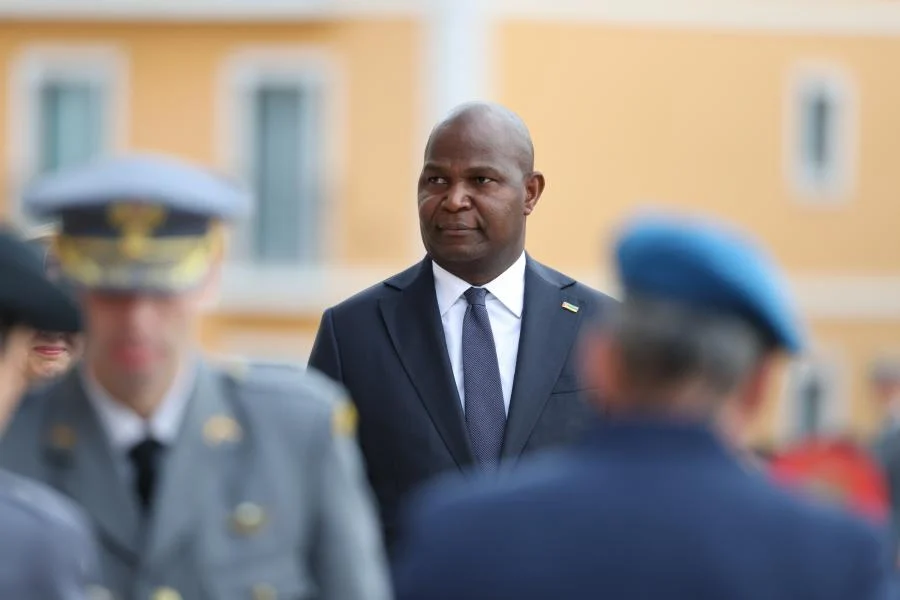
Mozambican President Daniel Chapo has signaled a desire to deepen security cooperation with Uganda, citing the East African nation’s extensive experience in counter-terrorism as a vital asset for stabilizing the gas-rich province of Cabo Delgado.
Speaking in Kampala during the inauguration of President Yoweri Museveni, Chapo emphasized the “deep historical ties” between the two countries, noting that Museveni himself has a personal connection to the region, having received military training in the Montepuez district during his own revolutionary years.
The province of Cabo Delgado has been plagued by extremist violence since October 2017, when the first attacks were recorded in Mocímboa da Praia. As Mozambique continues to grapple with this long-standing insurgency, Chapo highlighted that Uganda remains a pivotal partner on the African continent for military and strategic intelligence.
By tapping into Museveni’s specialized knowledge of the local terrain and Uganda’s track record in handling regional threats, Mozambique hopes to refine its tactical approach to the conflict.
Read more about this topic: Mozambique: 15 people killed in Cabo Delgado
Beyond security, the Mozambican head of state expressed an interest in evolving the bilateral relationship into a more robust economic partnership. Chapo stated that consolidating historical friendship into tangible economic cooperation is essential for improving the living conditions of the Mozambican people.
This diplomatic outreach suggests a strategic pivot toward continental allies to manage internal security as international energy projects in the north remain sensitive to the ongoing instability.
The diplomatic mission took place against the backdrop of Yoweri Museveni’s swearing-in for a seventh five-year term. Museveni, who has held power since 1986, secured 71.65% of the vote in the January 15 elections.
While the results were contested by opposition leader Bobi Wine, who alleged widespread fraud, Museveni’s inauguration was attended by various regional leaders, underscoring his continued influence in African geopolitics and regional security matters.
