

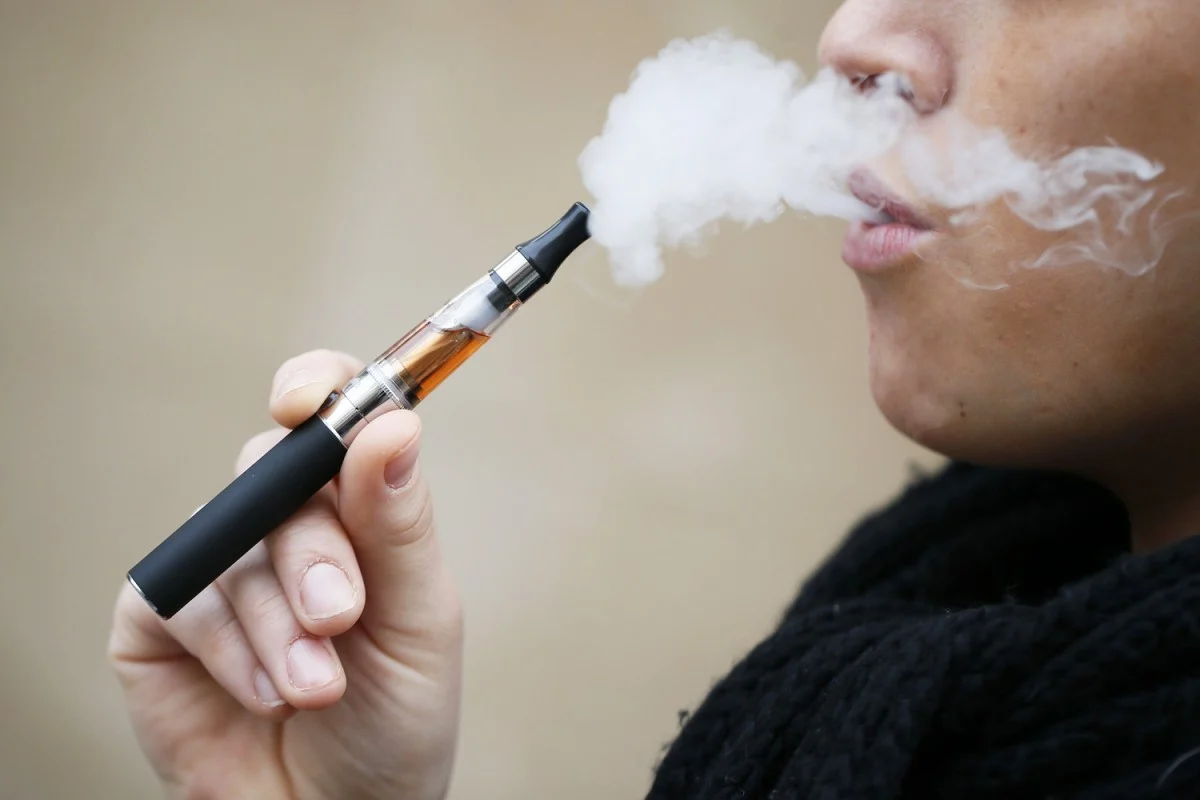
The Hong Kong government plans to shut down the market for electronic smoking devices, heated tobacco products, and tobacco-free cigarettes, placing the region at the forefront of global restrictions on “vapes.” The new regulations target tobacco alternatives, banning their importation, manufacture, sale, and promotion, and – in an unprecedented move – their possession and use in public spaces.
The entry of these items is prohibited both by travelers and through cargo, with technical exceptions for airport transit. Violations involving importation can result in fines of up to two million Hong Kong dollars (213,000 euros) and prison terms of up to seven years.
Production, distribution, or possession for commercial purposes is punishable by fines of up to 50,000 Hong Kong dollars (5,300 euros) and six months in prison. Additionally, restrictions on advertising, promotion, and free distribution – especially to minors – have been strengthened.
Carrying small quantities – up to five capsules or milliliters of liquid, or fewer than 100 units of heated tobacco or tobacco-free cigarettes – will result in a fixed fine of 3,000 Hong Kong dollars (320 euros).
Read more: Hong Kong announces blanket ban of e-cigarettes
Exceeding these limits will result in legal proceedings, with possible penalties of up to 50,000 Hong Kong dollars (5,320 euros) and six months in prison. The use or possession of activated devices in any public space is also prohibited.
Nicotine products are also classified as Category 1 poisons, which adds additional criminal liabilities. However, as a local supplier told the EFE news agency, “demand will continue to exist, and the market will find ways to adapt, even in a much more restrictive environment.”
Authorities emphasize that the ban also applies to tourists and warn of border controls, amid growing international pressure against these devices due to their health impact, particularly among young people. The legal framework for e-cigarettes in Asia varies widely—mainland China allows the sale and use of e-cigarettes with some restrictions.
In Macau, sales have been banned since 2018, including advertising and promotion of e-cigarettes, and in 2022, the city also banned the manufacture, distribution, import, export, and transport of these devices, having already introduced a bill this year that also provides for a ban on the possession and use of e-cigarettes. Countries such as Thailand, Singapore, and India, for example, impose penalties of up to ten years in prison for possession.
