

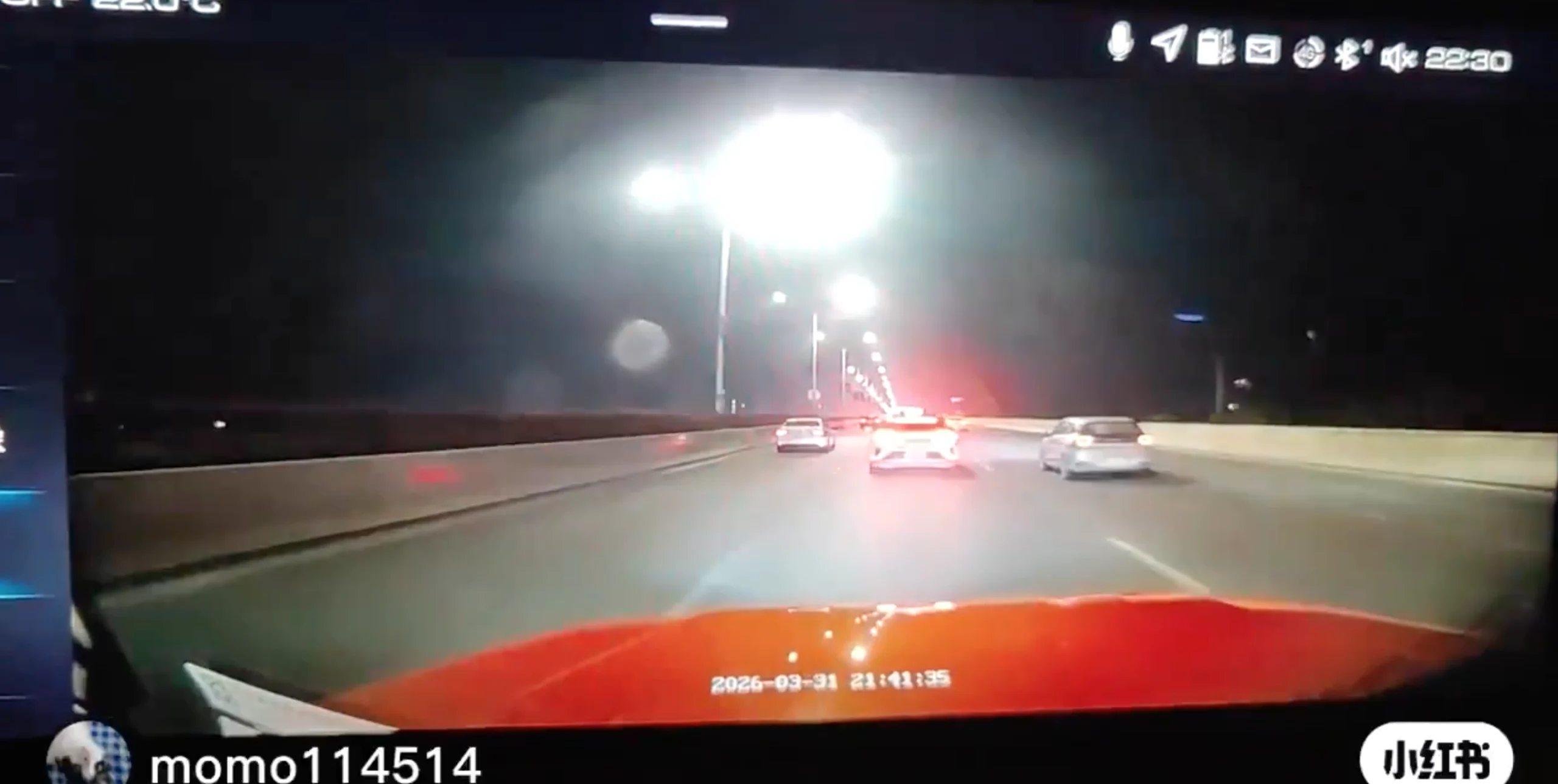
A major technological failure plunged Wuhan into chaos on Tuesday night, when more than 100 autonomous robotaxis operated by Baidu suddenly stopped in the middle of busy roads, leaving passengers stranded and triggering traffic jams and minor accidents.
According to local authorities, a “system failure” disrupted the company’s Apollo Go service, quickly spreading across key routes and paralyzing traffic during rush hour. Police received multiple alerts about immobilized vehicles, while videos shared on social media showed robotaxis blocking bridges and major avenues, causing widespread confusion.
One passenger, Luka Lu, described the situation as “very dangerous” in comments to the South China Morning Post: “It was rush hour, with heavy traffic and large vehicles. I waited more than an hour for assistance from the company, and no one showed up. I had to call traffic police.”
Authorities confirmed that no injuries were reported, but emergency teams were dispatched to assist passengers and clear the roads.
Read more about this topic: Uber to launch robotaxi services in Hong Kong
The incident raises fresh concerns about the safety and reliability of Baidu’s autonomous vehicles, at a time when the company is expanding internationally and competing with rivals like Pony.ai and WeRide.
Experts warn that events like this highlight the challenges still facing autonomous mobility, despite rapid growth in the sector, and reignite debate over how dependent cities should become on emerging technologies that are still evolving.
The episode has put Wuhan in the global spotlight, raising broader questions about how prepared autonomous transport systems are to handle critical failures in dense urban environments.
🚨BREAKING: BAIDU ROBOTAXIS CAUSE MASSIVE TRAFFIC CHAOS IN WUHAN 🇨🇳
Dozens of Baidu robotaxis suddenly stopped on roads in Wuhan, causing a collision on the highway and trapping passengers inside the vehicles.
If this had happened with $TSLA Robotaxis, the media coverage would… https://t.co/10ceAiURtd pic.twitter.com/CWdvjH2PgE
— Tsla Archive (@tesla_archive) April 1, 2026
