

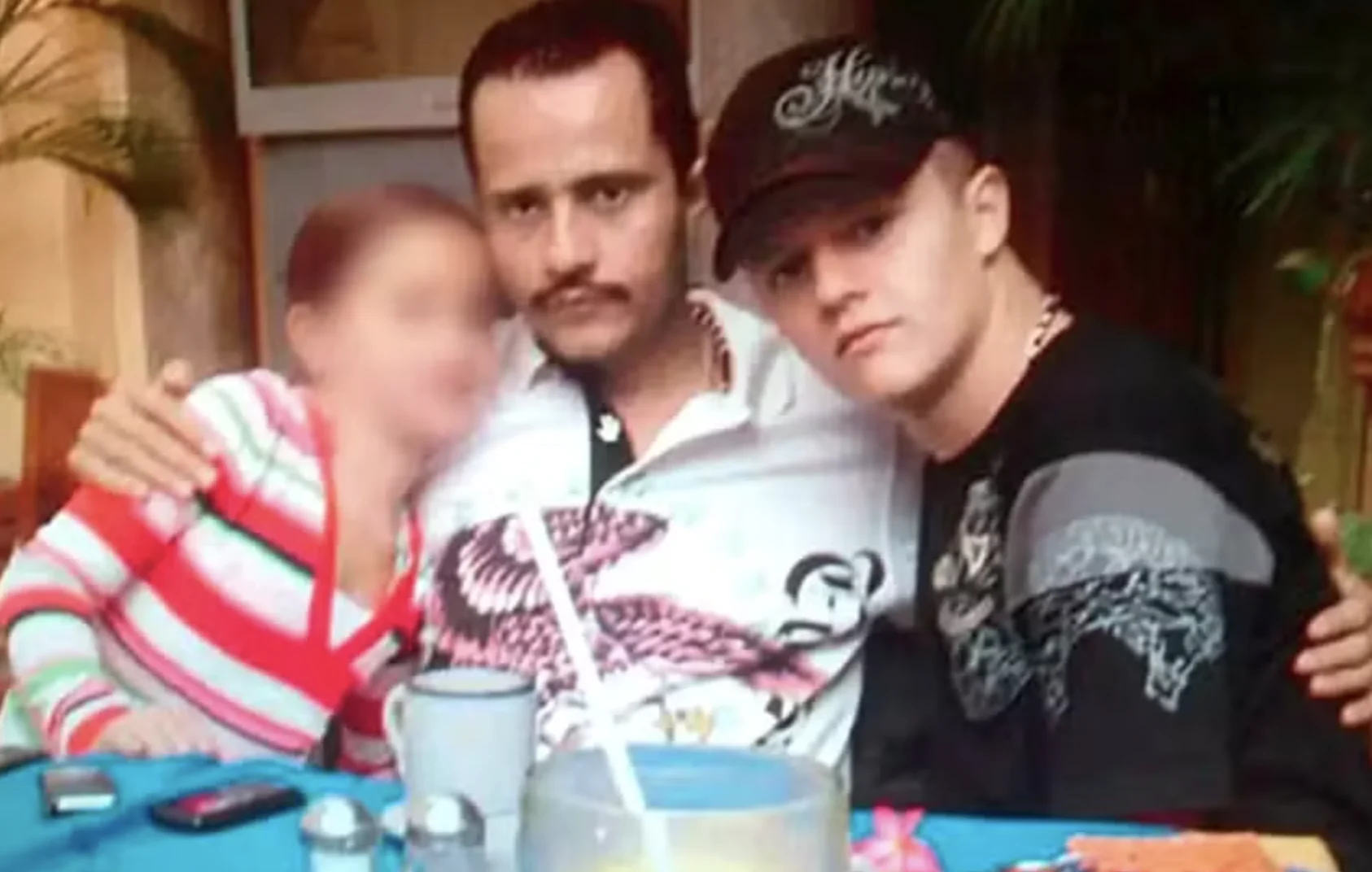
Nemesio Oseguera Cervantes, better known as “El Mencho” Nemesio Oseguera Cervantes, also known as “El Mencho,” was born in 1965 and was 60 years old when he died in Apatzingán, in the state of Michoacán, Mexico. Considered one of the world’s most wanted criminals, El Mencho became the supreme leader of the Jalisco New Generation Cartel (CJNG), one of the most powerful criminal groups in Mexico with international influence. He began his involvement in organized crime in the 1980s and 1990s, associating himself with local cartels, and quickly rose to prominence due to his strategic abilities, extreme violence, and territorial control.
Under his leadership, the CJNG expanded into several Mexican states and international markets, engaging in drug trafficking including fentanyl, methamphetamine, heroin, and cocaine, as well as extortion, kidnappings, and attacks on rivals and civilians to consolidate power.
Read more about this topic: El Mencho taken down: how the death of the cartel leader affects the country
The cartel was characterized by a rigid hierarchical structure, with El Mencho at the top, and by the systematic use of extreme violence, including direct confrontations with security forces and attacks using automatic weapons or armed drones. The CJNG became one of the most aggressive criminal groups in the country, establishing a presence in various Mexican states and abroad, particularly in the United States, Europe, and South America. The leader of the cartel had a reward of up to 15 million dollars offered by the United States for his capture, being considered an international threat due to the impact of his cartel on drug trafficking and associated violence.
The death of El Mencho in February 2026, during a military operation in Jalisco, provoked an immediate retaliation from the CJNG, with roadblocks using burned vehicles, armed confrontations with federal forces, and attacks on schools, shops, and vehicles in cities like Guadalajara and Puerto Vallarta. These events demonstrate how the elimination of a cartel leader can generate power vacuums, leading to waves of violence to ensure territorial control, member loyalty, and the maintenance of trafficking routes.
Despite his death, experts consider that the CJNG remains operational, although it may face internal disputes over control of the group. El Mencho’s legacy reflects the extreme level of violence and influence of Mexican cartels, as well as the persistent challenges faced by the Mexican state in combating organized crime and protecting civilian populations.


