

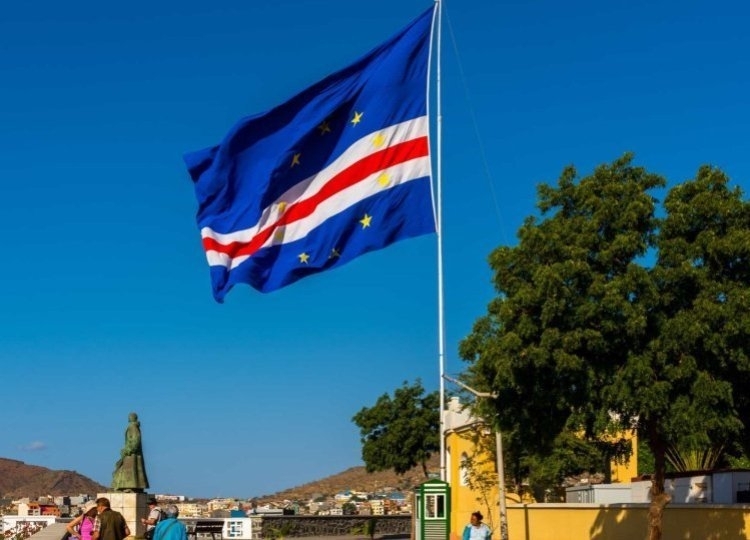
The CPI evaluates 182 countries and territories this year based on perceived levels of corruption in the public sector, on a scale from zero (highly corrupt) to 100 (very clean). Cape Verde scored 62, making it the best-ranked CPLP nation, followed by Portugal at 56, which fell one point compared to last year. These are the only two countries maintaining scores above 50 in the CPI.
Other CPLP countries received lower scores: Timor-Leste (45), São Tomé and Príncipe (43), Brazil (35), Angola (32)—with scores at or above the average of 32 in Sub-Saharan Africa—Guinea-Bissau (21), Mozambique (21), and Equatorial Guinea (15).
This year, the global CPI average dropped for the first time in over a decade to just 42 out of 100. The NGO’s report states that “the vast majority of countries are failing to keep corruption under control,” highlighting that “122 of the 182 countries have a score below 50 on the index.”
Additionally, the number of countries scoring over 80 has decreased from 12 a decade ago to just five this year, emphasizing a “worrying trend of democracies experiencing a deterioration in the perception of corruption.”
Despite positive developments, such as Angola’s significant rise of 17 points in the CPI since 2015 due to anti-corruption measures, the report notes a prevailing sentiment among the population: “Many Angolans consider the government’s anti-corruption efforts insufficient and believe ordinary people risk retaliation for reporting corruption.”
East Timor is also noted for its consistent and statistically significant improvement since 2012, due to structural reforms that have bolstered oversight institutions. However, these countries still fall within the lower range of the index, indicating “much room for improvement.”
On the other hand, Mozambique has seen a decline of 10 points over the last decade. The NGO cites official figures reporting “334 new corruption cases in the first quarter of 2025, with a cost of about $4.1 million [approximately €3.3 million], demonstrating the magnitude of the challenge.”
The scrutiny of government actions by civil society and the press, as evaluated by the report, provides voters with the necessary information to hold corrupt practices accountable and reward integrity at the polls. Brazil is highlighted as one of the countries “particularly dangerous for journalists reporting on corruption,” alongside Saudi Arabia, Peru, India, Mexico, Pakistan, and Iraq.
François Valérian, president of Transparency International, states that the organization’s investigations and experiences as a global anti-corruption movement “show a clear plan for holding power accountable for the common good, through democratic processes and independent oversight to a free and open civil society.”
“At a time when we witness a dangerous disregard for international norms by some states, we call on governments and leaders to act with integrity and fulfill their responsibilities to provide a better future for people around the world,” the organization stresses.
