

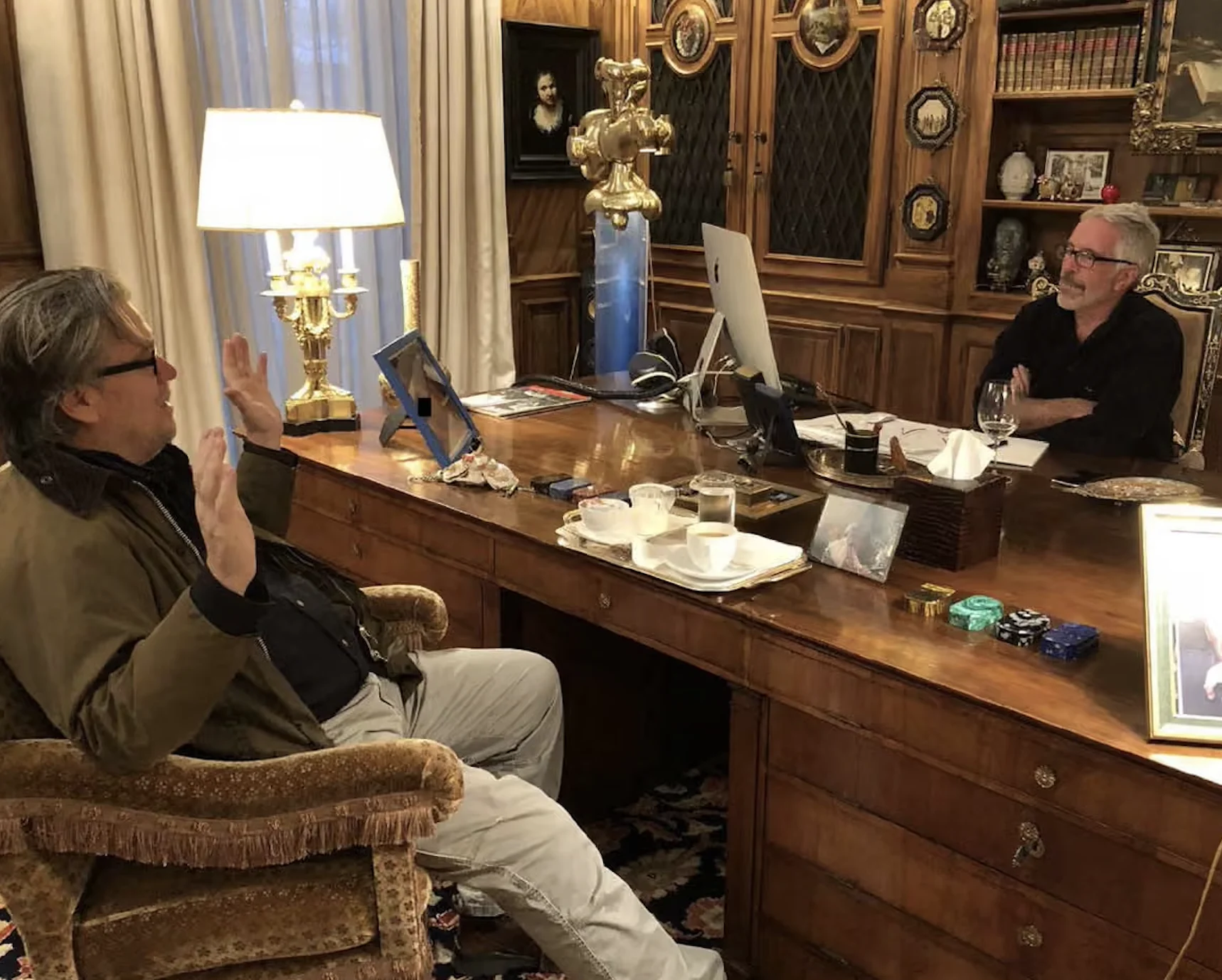
The messages, mostly dating from 2018 and 2019, show Bannon reaching out to Epstein after his departure from the Trump administration, at a time when he was travelling extensively across Europe to build a network of ultra-rightwing and Eurosceptic parties ahead of the European parliamentary elections. The exchanges form part of a wider investigation reported by the BBC into Epstein’s political contacts and influence.
In one message dated 5 March 2019, just weeks before the European elections, Bannon told Epstein he was “focused on raising money for Le Pen and Salvini so they can actually run full slates”, referring to Marine Le Pen in France and Matteo Salvini in Italy. Other messages detail Bannon’s meetings with European nationalist leaders and his ambition to increase their influence in Brussels.
The files indicate that Bannon viewed the rise of far-right parties in countries including Italy, France and Germany as an opportunity to advance a broader nationalist agenda. In Germany, messages also show Bannon promoting the far-right Alternative für Deutschland party while criticising then chancellor Angela Merkel.
There is no evidence that Epstein directly funded Matteo Salvini’s League party or other European far-right movements, nor any suggestion that Salvini was involved in Epstein’s criminal activities. However, the correspondence highlights Epstein’s apparent interest in European nationalist politics and suggests Bannon attempted to tap him for financial backing.
The revelations have triggered political reactions in several countries. In Italy, opposition politicians have called on Salvini to clarify whether Epstein played any role in the League’s rise. In France, leftwing figures have demanded a parliamentary inquiry after French political and cultural figures were named in the latest document release.
Bannon has declined to comment on the messages, while Salvini’s League party has dismissed claims of any link to Epstein as “unfounded” and “serious exaggerations”, insisting it never sought or received funding from him.
According to the BBC, the files raise broader questions about the extent to which powerful foreign actors may have sought to influence European politics at a time of growing instability and the rise of nationalist movements across the continent.
