

Growth slowed, however, to a rate of 4.5% in the last quarter of the year, according to official data released today. It was the slowest quarterly growth since the end of 2022, during the COVID-19 pandemic. The economy, the second largest in the world, grew at an annual rate of 4.8% in the previous quarter.
Chinese leaders have been trying to stimulate faster growth after the crisis in the real estate sector and the economic impacts caused by the pandemic.
As expected, last year’s annual growth was in line with the government’s official target of “around 5%” expansion.
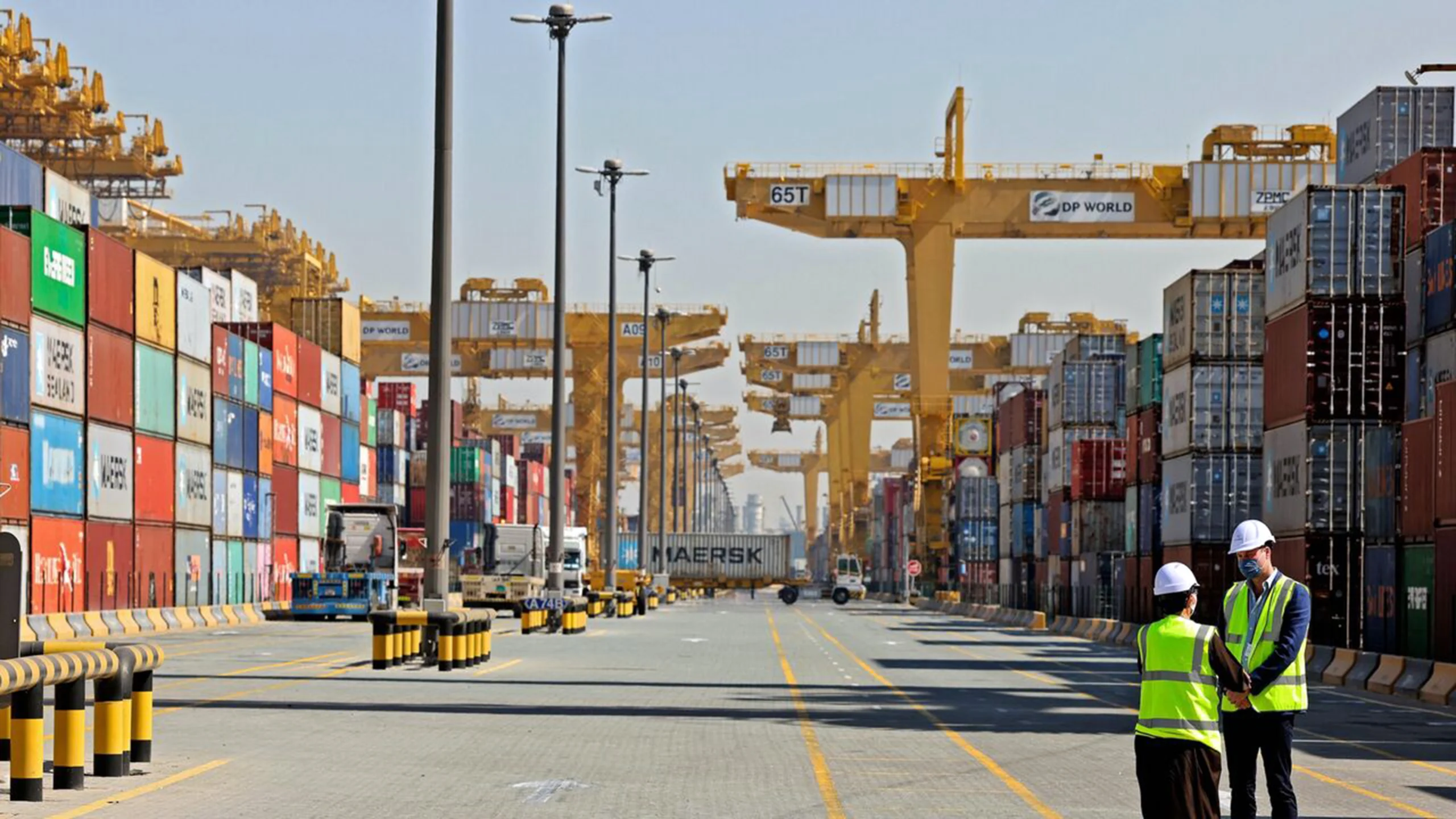
Exports helped offset weak domestic consumption and low business investment, contributing to a record trade surplus of $1.2 trillion (more than €1 trillion).
“The big question is how long this growth engine can continue to be the main driver,” wrote Lynn Song, chief economist for China at Dutch bank ING, in a recent note.
Chinese exports to the US fell after Donald Trump returned to the presidency early last year and began raising tariffs. However, this decline was offset by sales to the rest of the world. The sharp rise in imports of Chinese products has prompted some governments to take action to protect local industries, in some cases by raising tariffs on imports.
Read also: Canada and China Announce Major Tariff Relief Following High-Stakes Meeting Between Mark Carney and Xi Jinping
“If more economies also start raising tariffs on China, as Mexico has done and as the European Union has threatened to do, stronger pressure will eventually be felt,” Song said.
Chinese leaders have repeatedly highlighted strengthening domestic demand as a policy priority, but the effects have so far been limited. A program to encourage the replacement of old cars with more energy-efficient models, for example, has been losing momentum in recent months.
“The stabilization—not necessarily the recovery—of the domestic real estate market is key to restoring public confidence and, consequently, growth in household consumption and private investment,” said Chi Lo, Asia-Pacific market strategist at asset management bank BNP Paribas Asset Management.
China has also offered subsidies for the replacement of household appliances such as refrigerators, washing machines, and televisions. Although the main measures to stimulate consumption in 2025—including these subsidies—are expected to continue in 2026, they may be reduced, said Weiheng Chen, global investment strategist at investment bank J.P. Morgan Private Bank, in a recent note.
Investment in artificial intelligence and other advanced technologies remains a priority for the Chinese Communist Party in an attempt to increase self-sufficiency and rival the United States. Many ordinary citizens and small businesses face difficult times and worrying uncertainty about employment and income.
Some economists and analysts believe that China’s real economic growth in 2025 was slower than official data suggests. The Rhodium Group think tank estimated last month that the Chinese economy grew by only 2.5% to 3% in 2025.
According to government data, the Chinese economy grew at an annual rate of 5% in 2024 and 5.2% in 2023. Official growth targets have been declining over the past few years, from 6% to 6.5% in 2019 to “around 5%” in 2025.
A slower annual expansion is expected for 2026. German bank Deutsche Bank predicts that China’s economy will grow by around 4.5% in 2026.
