

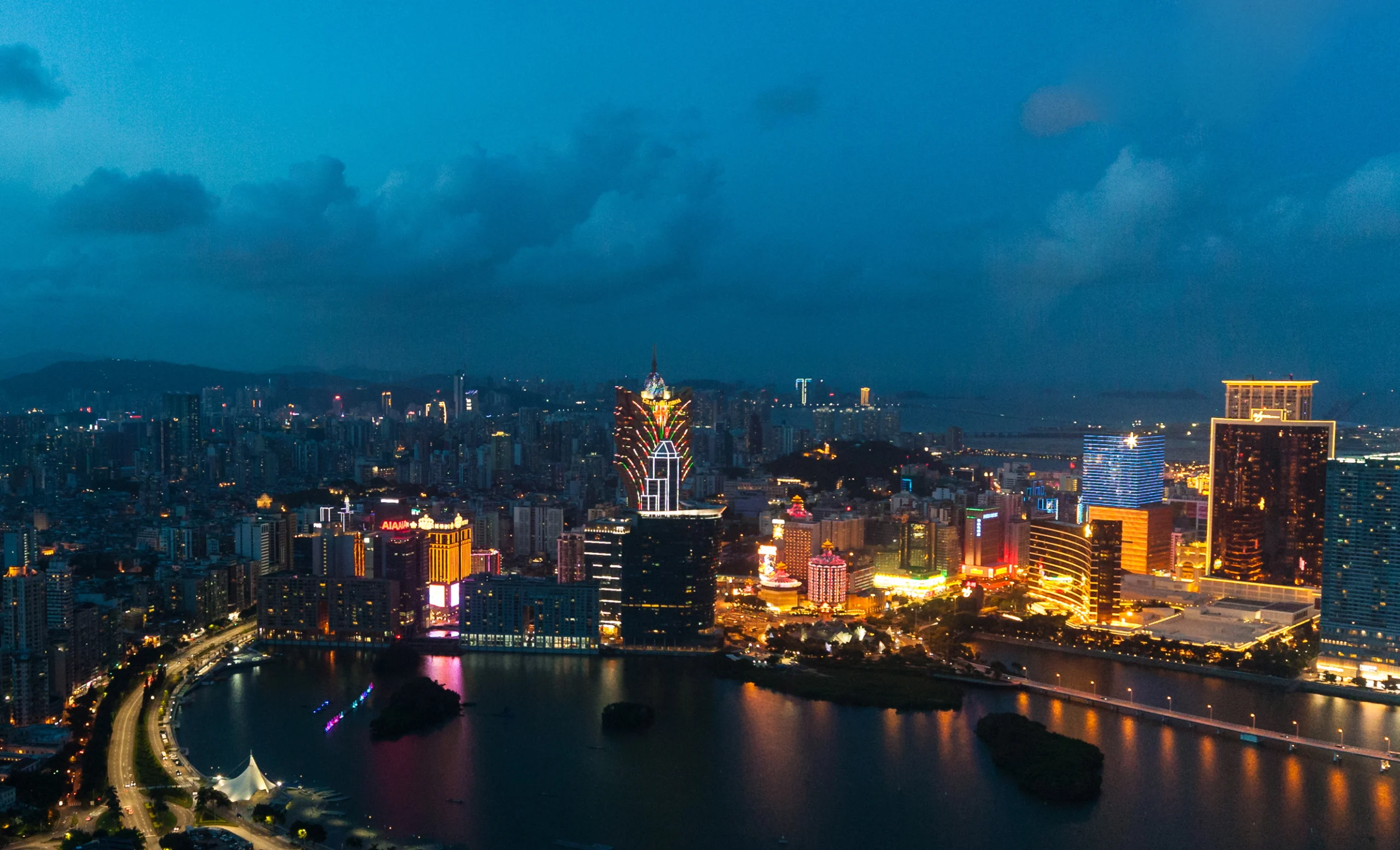
According to the MEA’s economic climate report, October saw strong performance driven by China’s “Golden Week” holiday. Key metrics such as visitor arrivals and hotel occupancy rates surged into the “moderately heated” to “overheated” ranges. Gaming revenue remained stable, while the labor market showed significant strength, with total employment continuing to rise and pushing the unemployment rate down to 1.7%, a figure indicative of high demand for labor.
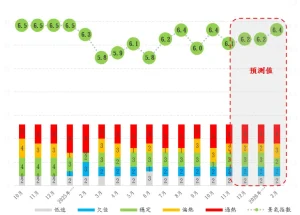
The report, however, highlighted a divergence between current performance and future sentiment. Leading indicators regarding market expectations and investment willingness have not risen in tandem with tourism figures. Amid external uncertainties, both businesses and residents remain conservative. The report noted that China’s consumer confidence remains sluggish, and the local loan-to-deposit ratio continues to decline. Furthermore, stock prices for the six major gaming concessionaires are hovering in the “underperforming” range, reflecting caution in the capital markets, while residential property prices remain depressed. Consequently, the overall economic climate index for October and November is classified as “stable.”
The MEA simultaneously points to positive signals from China’s recent Central Economic Work Conference, which emphasized continued policy support for fiscal expansion, investment, and domestic demand. With several international institutions recently upgrading their 2025 growth forecasts for China, Macau, therefore, is positioned to benefit.
By the end of the report, it dedicates that, supported by improvements in China’s macro-economy and increased international marketing efforts by the SAR government and resort operators, Macau’s economy is expected to maintain its “stable and positive” trend into 2026.
