

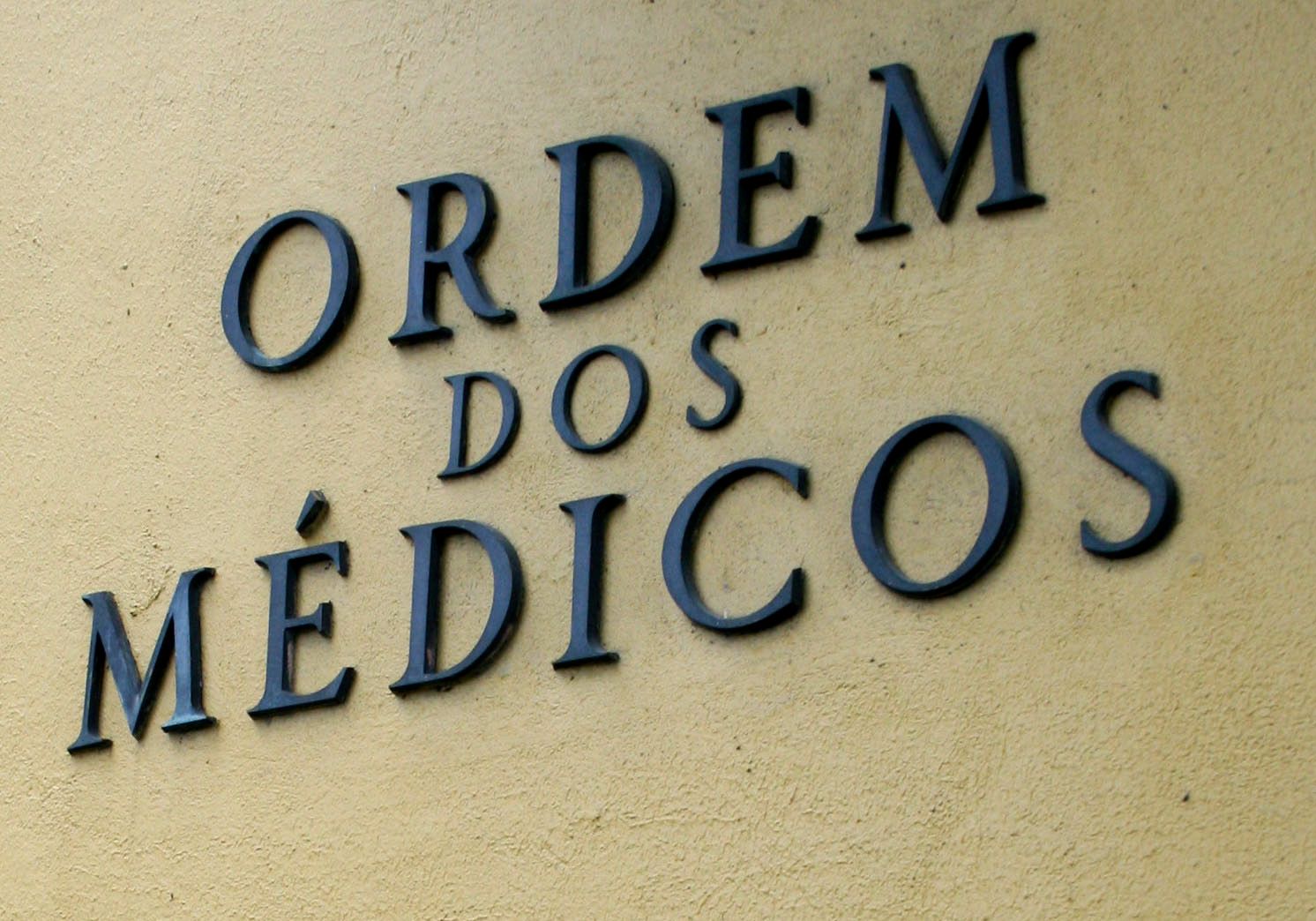
“I don’t normally join the chorus or the cheerleaders calling for the minister’s resignation or those calling for her to stay,” he told the Lusa news agency at the end of a meeting held at the Espírito Santo Hospital in Évora, in the Alentejo region.
Carlos Cortes was asked whether the minister of health, Ana Paula Martins, is fit to remain in office, following criticism of her handling of the case of the pregnant woman and baby who died at the Amadora-Sintra Hospital, in the Lisbon area.
Pointing out that “the leader of the medical association does not manage the political affairs of the minister of health,” Carlos Cortes indicated that the association has already asked the Amadora-Sintra Local Health Unit (ULS) for clarification on the case and will only comment when it has concrete data.
“Nevertheless, I can say that there were a number of communication failures, particularly on the part of the ministry of health, which led to something that was quite unnecessary,” he stressed, alluding to the resignation of the head of the Amadora-Sintra Local Health Unit.
On Monday, the minister of health announced that the head of the Board of Directors of the Amadora-Sintra Local Health Unit had resigned after providing her with incomplete information about the pregnant woman who ultimately died.
In statements to Lusa, Carlos Cortes downplayed the minister’s possible departure or continuity, arguing that “the most important thing is health policies and a set of reforms that are absolutely essential and mandatory for the health service”.
“We have had six ministers of health in the last 10 years or so, but the national health service has continued to deteriorate and the change of leadership at the ministry of health has not helped to improve the situation,” he argued.
The leader considered that there are urgent measures to be taken in the sector and that no more time should be wasted, giving as examples reforms in “the areas of accident and emergency care, maternity wards, surgery and even the budget”.
“I ask the Government and the ministry of health, regardless of who leads it, to do something, make decisions, carry out reforms, and start by making specific decisions in one area or another, particularly in the area of accident and emergency care,” he stressed.
Carlos Cortes pointed out that the case of the pregnant woman and her baby who died revealed the existence of an IT problem within the health service, highlighting the need to create a single electronic health record.
In this specific case, he stressed, “the hospital system is different from the health centre systems”, meaning that there was “a failure in the interoperability of these systems”. The existence of a single electronic health record “would have a positive impact, even on the budget, because it would avoid redundancies”, he added.
The Amadora-Sintra Local Health Unit explained in a statement that the 38-week pregnant woman, a native of Guinea-Bissau, was admitted to the accident and emergency department at around 1:50 a.m. on Friday, transported by a team from the National Institute of Medical Emergency (INEM), in cardiorespiratory arrest.
The baby was delivered by emergency caesarean section at the Amadora/Sintra Local Health Unit and died on Saturday morning. The hospital has opened an internal investigation into the circumstances surrounding the death of the pregnant woman, who was at the hospital on Wednesday for a consultation, during which she was diagnosed with high blood pressure, the institution announced.
The General Inspectorate of Health Activities (IGAS) has also launched an investigation to assess the care provided by ULS Amadora-Sintra. The Health Regulatory Authority (ERS) has also announced the opening of an assessment process with the same objective, and the two bodies will collaborate “in order to obtain all the necessary clarifications in a complementary manner”.
Plataforma with Lusa


