

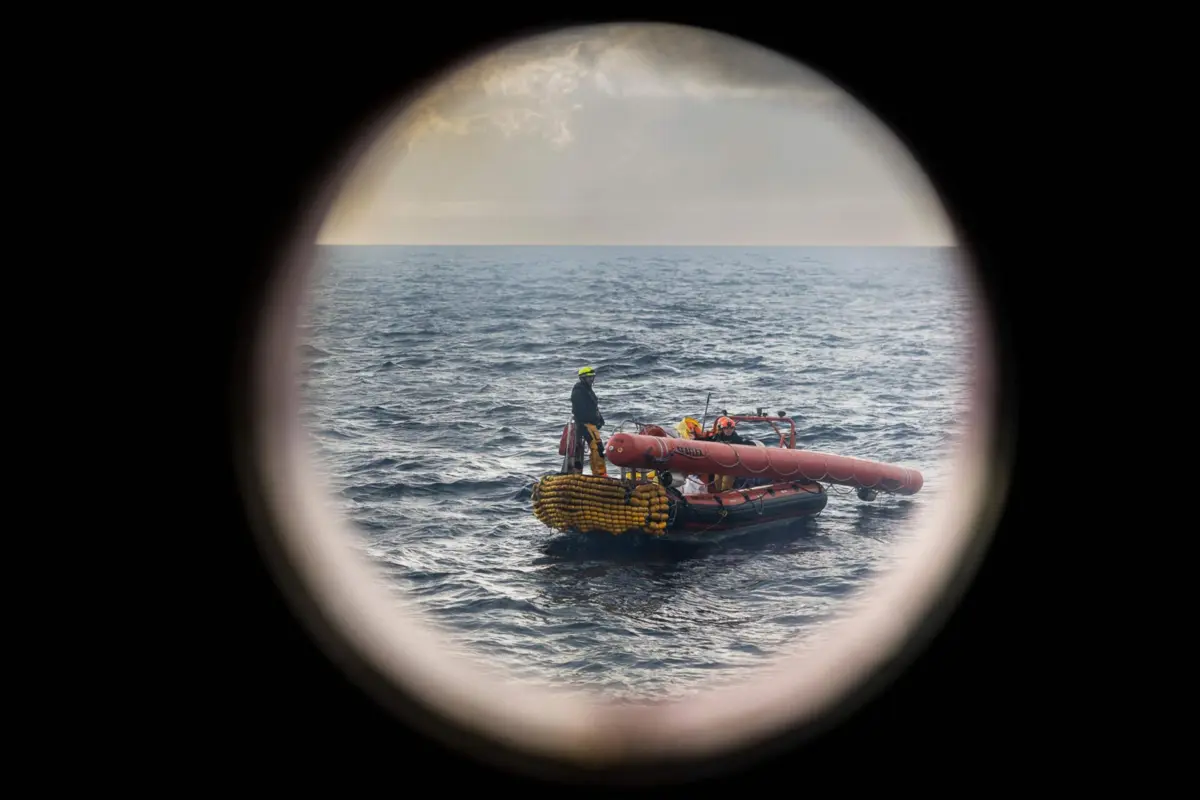
The vessel, carrying 55 people of African nationalities, departed from Al-Zawiya, Libya, late on 5 February and was headed toward Europe when it began taking on water and overturned near Zuwara in the central Mediterranean around six hours later. Only two Nigerian women survived the disaster and were given emergency medical care by IOM teams. One survivor told rescuers she had lost her husband, while the other said she had lost her two babies in the tragedy.
The IOM highlighted that the central Mediterranean route — particularly from Libya toward southern Europe — remains one of the deadliest migration corridors in the world. Smugglers and human trafficking networks are reportedly continuing to exploit vulnerable migrants by placing them in unsafe, overcrowded boats for perilous sea crossings.
So far in 2026, at least 484 migrants have been reported dead or missing along this route, following more than 1,300 similar fatalities in 2025, according to the UN migration agency. The true toll may be higher, as many incidents go unreported or occur without witnesses.
Libya, plagued by ongoing conflict and instability since the 2011 fall of Muammar Gaddafi, has become a major transit point for migrants fleeing war, persecution and economic hardship across Africa and the Middle East. Many attempting the journey face dangerous sea conditions and a lack of safe, legal migration pathways.
