

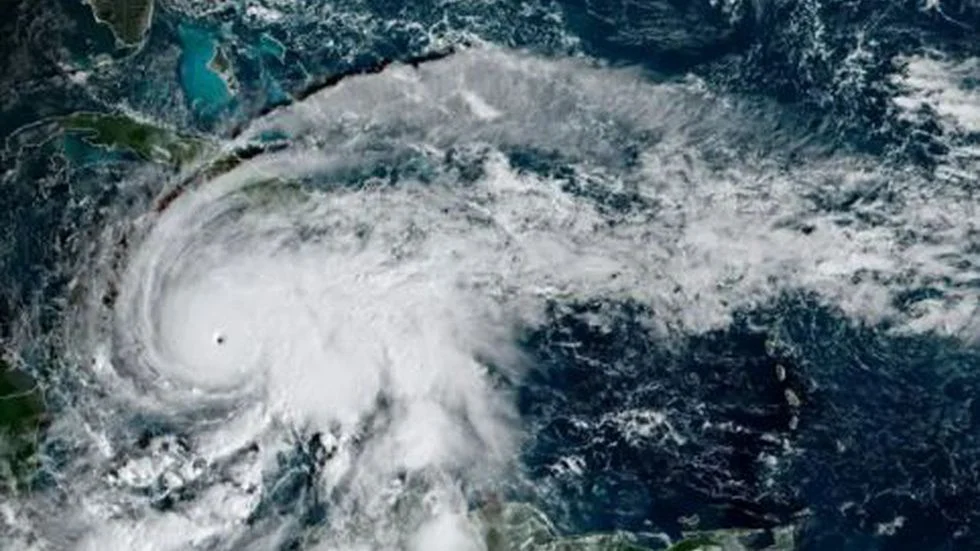
Alexis Masciarelli, an official from the World Food Programme (WFP), highlighted from Kingston, Jamaica’s capital, that “our priority right now is to reach the most isolated areas.” The WFP has initiated emergency programs to distribute food to the most affected families and expects additional supplies to arrive in the coming days.
One of the hardest-hit parishes was St. Elizabeth, an area considered the breadbasket of Jamaica. Homes and crops have been destroyed, and many communities remain cut off and without electricity.
So far, food kits have been distributed to 1,500 families, each receiving rice, lentils, canned fish and meat, and vegetable oil. An additional 2,000 kits are expected to arrive from Barbados by air in the next few hours. The WFP aims to assist 200,000 people in Jamaica alone to address urgent food needs.
In Cuba, the hurricane caused flooding, power outages, and significant damage. Food distribution has already reached 181,000 people housed in shelters, with a goal of assisting a total of 900,000.
In Haiti, the country with the highest number of victims, the hurricane caused significant damage to infrastructure in the southern region. The WFP has already provided assistance to 12,700 people, with plans to reach 190,000 in the next two weeks, supplying food kits for two weeks.
Subsequently, monthly cash assistance will be provided to support recovery efforts.
Masciarelli warned that many people remain unreachable and emphasized that the response will be “a very long marathon for recovery.”
Last Wednesday, the WFP launched a request for $74 million (approximately €64.2 million) for emergency aid to 1.1 million people in the Caribbean region, a figure that may prove insufficient.
