

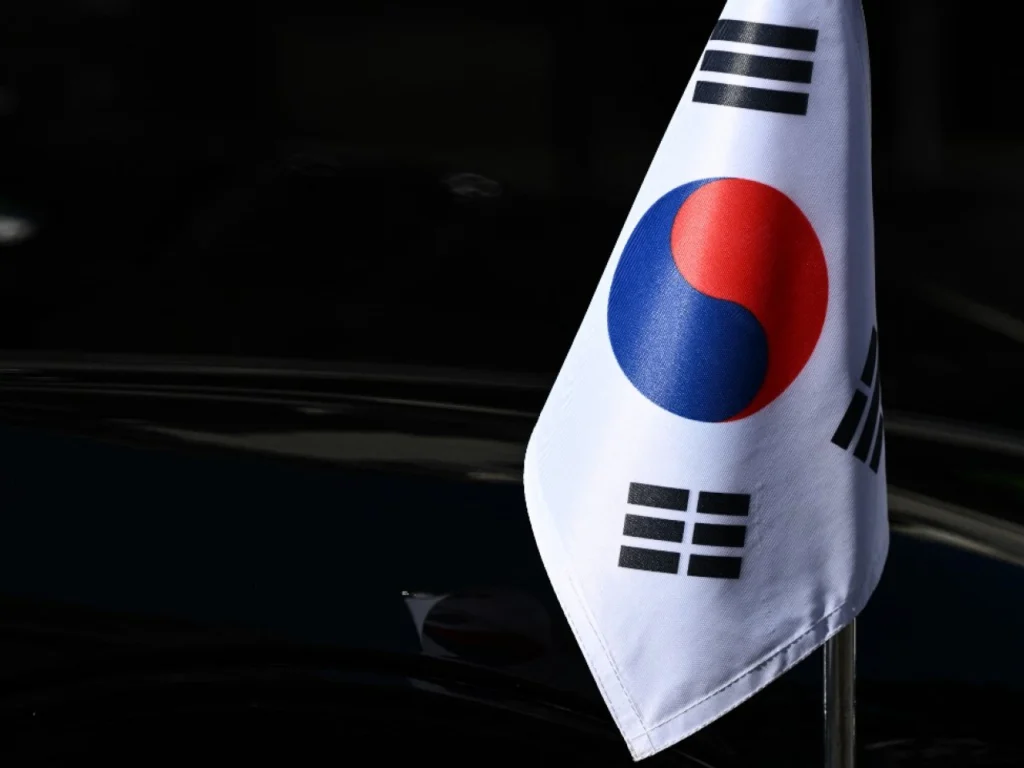
The initiative allows groups of three or more Chinese nationals, organized by government-approved travel agencies, to enter the country without a visa for up to 15 days. The trial will run until June 30th, 2026.
Government officials estimate that the measure could bring more than 1 million additional Chinese tourists before the program concludes. Industry observers noted that while immediate growth in visitor numbers may be modest, the policy is viewed as symbolically important and expected to drive steady momentum in arrivals toward the end of the year.
The new arrangement comes after Beijing introduced a reciprocal policy in November, granting South Korean nationals visa-free entry for up to 15 days. Prior to the program, Chinese travelers were required to apply for visas at South Korean consular offices, a process involving the submission of flight itineraries and hotel bookings. Jeju Island, however, maintains its separate exemption policy, allowing both individuals and groups to stay for up to 30 days without a visa.
Chinese tourists remain South Korea’s largest inbound market. In July, 602,147 Chinese visitors accounted for 34.7 percent of the country’s total foreign arrivals, which reached 1.73 million, a 31.2 percent year-on-year increase, data from the Korea Tourism Organization showed. The tourism industry, particularly retailers, hotels, and casinos that largely depend on foreign patrons, are preparing to capture the benefits of the new policy. Promotions include Jeju Dream Tower Integrated Resort’s partnership with WeChat Pay and Shinsegae Duty Free’s group-oriented travel packages.
Despite optimism, the rollout coincides with rising anti-China sentiment in parts of South Korea. On the eve of the policy’s implementation, far-right groups held protests in Seoul, prompting the Chinese Embassy to issue a security advisory urging citizens to avoid rallies and remain vigilant. President Lee Jae-myung instructed officials to devise countermeasures against such demonstrations, while Prime Minister Kim Min-seok directed police to strengthen security in key tourist districts.
