

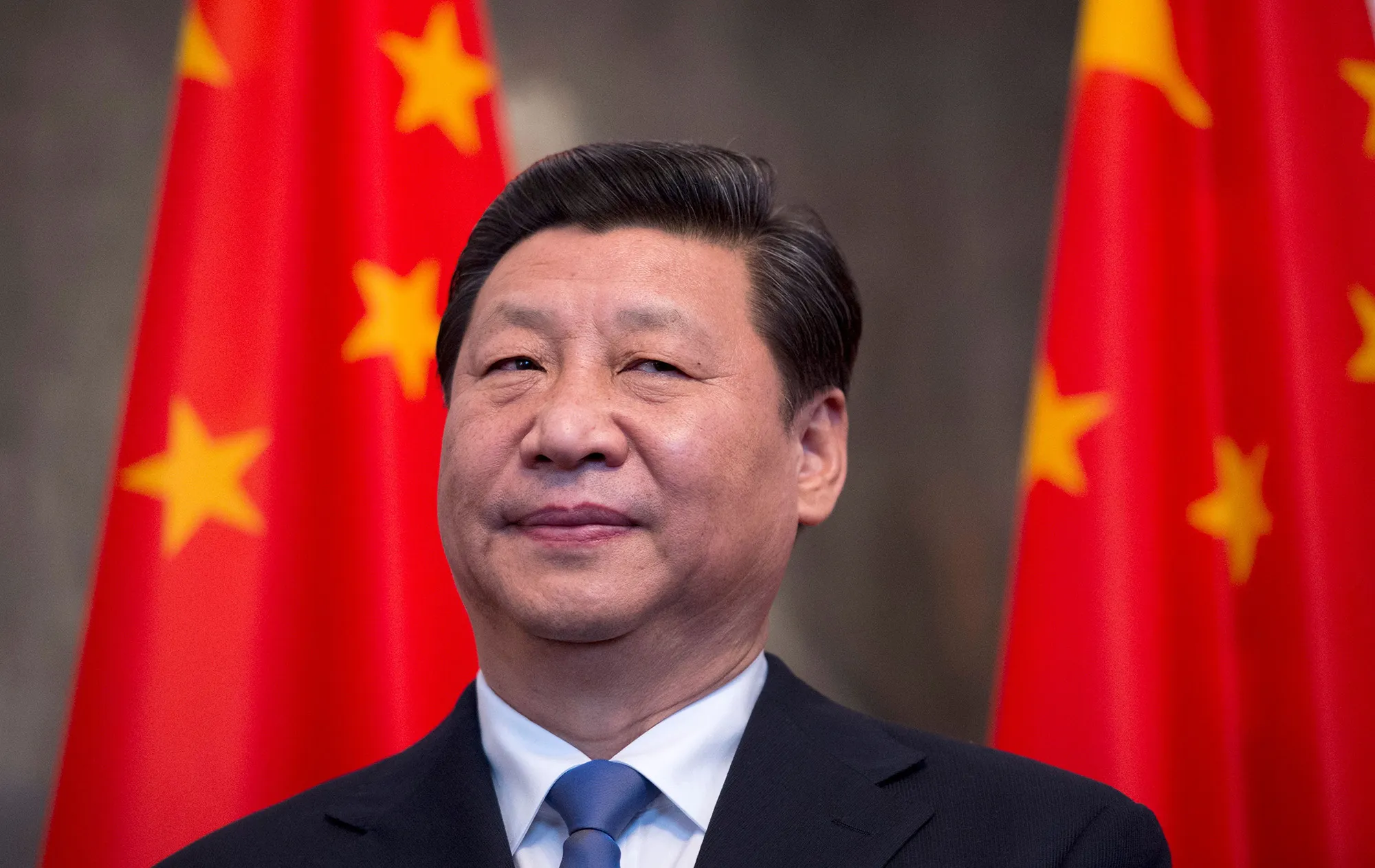
Xi called for “a just and orderly world order” and a “fairer and more reasonable” system of global governance during the 25th summit of leaders of the Shanghai Cooperation Organization (SCO).
“We must promote a historical perspective on World War II and oppose the Cold War mentality, bloc confrontation, and intimidation,” he said.
The Chinese president urged the SCO to defend “inclusive globalization” and the “multilateral trading system,” with the World Trade Organization (WTO) as its “central pillar,” in a clear reference to the trade war triggered by the United States.
Xi also announced that China will provide assistance worth two billion yuan this year to member states of the organization, which he stressed “will never be enemies.”
The summit is being attended by leaders such as Russian President Vladimir Putin, Indian Prime Minister Narendra Modi, and Iranian President Masoud Pezeshkian.
The meeting comes amid multiple crises directly affecting SCO members: the U.S. trade disputes with China and India, Russia’s invasion of Ukraine, and tensions surrounding Iran’s nuclear program.
Xi Jinping, leader of the world’s second-largest economy, exchanged greetings upon arrival with Putin and Modi before the leaders of the ten SCO member states posed for a group photo on the red carpet.
Together with partner and observer countries, heads of state and government from around 20 nations are gathered in the port city of Tianjin, along with representatives from about a dozen regional and international organizations.
The summit, the first since U.S. President Donald Trump returned to the White House, is being described as the most significant in terms of participation since the SCO’s founding in 2001.
“Factors of instability, uncertainty, and unpredictability have increased considerably” as the world enters a phase of accelerated change, Xi stressed during a reception on Sunday, as quoted by state media.
The SCO countries — China, Russia, India, Pakistan, Iran, Belarus, Kazakhstan, Kyrgyzstan, Tajikistan, and Uzbekistan — represent about 40% of the world’s population and 23.5% of the global economy, with territories holding significant energy reserves.
