

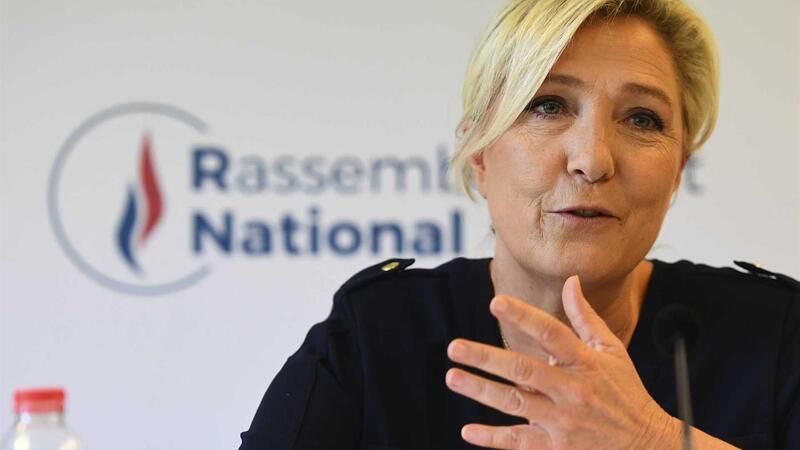
Since taking the helm of the National Front (now National Rally) from her father, who had a history of antisemitism, Le Pen has sought to reshape the party’s image through a process she calls “de-demonisation”, France 24 reported.
Her party achieved significant success in the 2023 legislative elections, becoming the largest in the National Assembly, but her recent legal troubles threaten to undermine her political aspirations. Le Pen was convicted for allegedly using fake jobs in the European Parliament to divert funds to her party’s operations in France.
She has characterized the trial as a politically motivated attempt to bring about her “political death.” In light of her potential disqualification, she has positioned her young protégé, Jordan Bardella, to run in her place if necessary; polls indicate he could be a strong candidate in the 2027 elections.
While Le Pen has come close to winning the presidency in previous attempts—placing third in 2012 and reaching the run-off in 2017 and 2022—2027 may present a different landscape as incumbent President Emmanuel Macron is ineligible to run again.
Reflecting on her tumultuous relationship with her father’s legacy, which has haunted her political career, she expressed regret over having expelled him from the party in 2011, acknowledging the emotional toll it took on both of them. As she navigates these challenges, her future in French politics remains precarious, with critical implications for the far-right movement in the country.
