

In the 1970s, Havaianas became popular with a slogan that stuck in Brazilians’ minds: they don’t deform, the straps don’t come loose, and they don’t smell. They were the eternal flip-flops. At that time, no one worried about the fact that one day the owner might tire of them. Now, in the 21st century—pop, chic, and international—the model has died and been reborn.
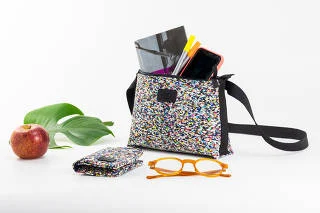
Havaianas are no longer just footwear: they are transformed into gym flooring, wheelbarrow wheels for construction, handbags, stools, and even household items such as placemats and coasters. In other words, they’ve entered the circular economy—the system in which discarded objects cease to be waste and are recycled into new products, extending the lifespan of materials while giving them new value.
Because Brazil had no recycling chain for expanded rubber—the material used in these flip-flops—Alpargatas, the company that owns the brand, had to create a specific reverse logistics program: Havaianas Reciclo.
Since its launch in December 2020, Alpargatas has been reaching out to companies interested in working with the material. Today, there are three partners involved in processing and five in transforming the raw material into granules for new products.
Nearly 500,000 pairs have already been recycled—enough to outfit six packed Maracanã stadiums—but the company believes the work is only beginning, as this volume represents a tiny fraction of the total: 200 million pairs are produced each year.
Alpargatas aims to take the program abroad and has already begun scouting for interested companies.
