

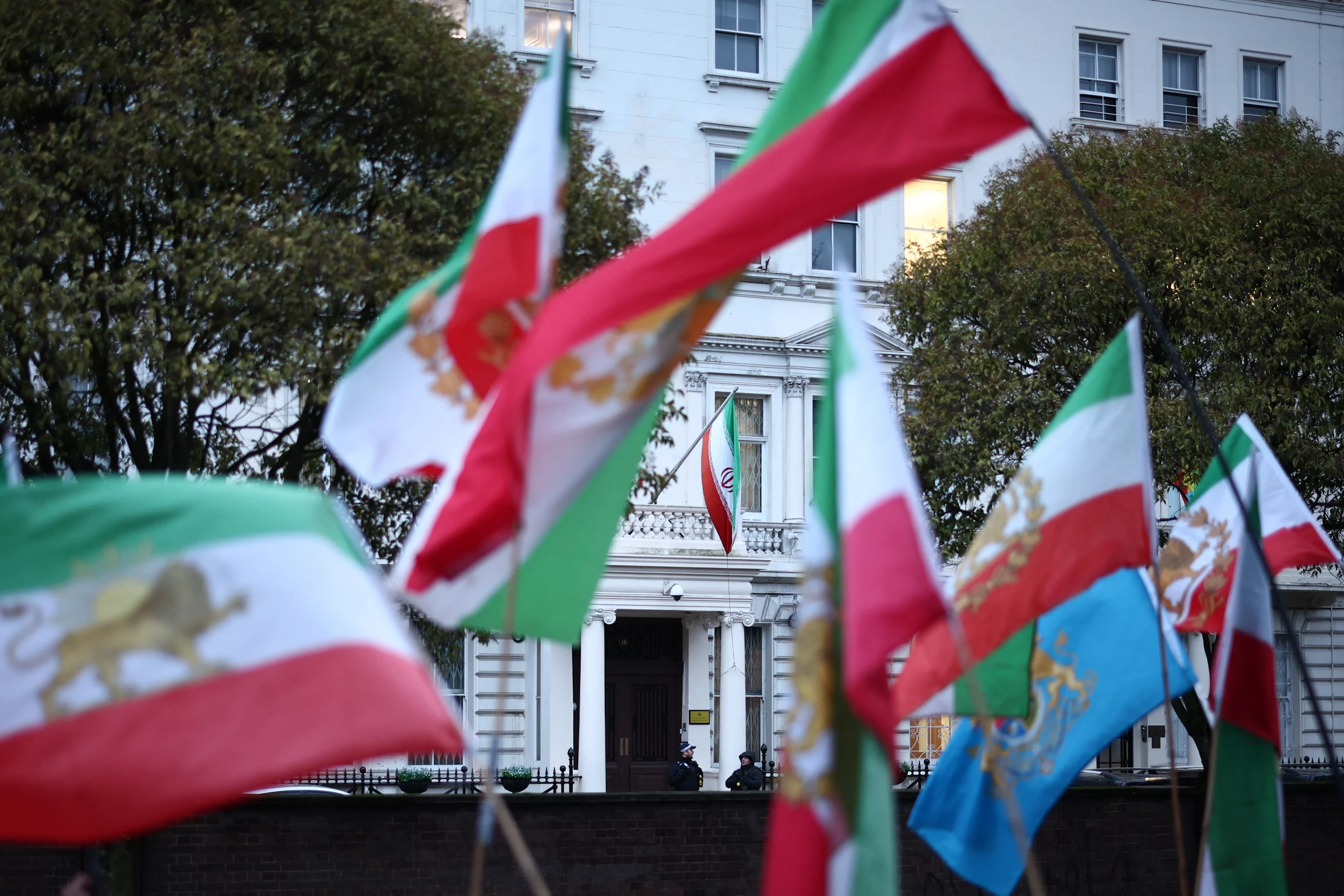
The protests, which began on December 28 amid an ongoing economic crisis marked by record inflation and the precipitous fall of the Iranian rial, have rapidly evolved into one of the most significant domestic challenges to the Islamic Republic in years. Demonstrations spread from Tehran to multiple provinces, with activists demanding economic reform, political freedoms, and an end to systemic repression. Analysts say harsh economic conditions — including soaring cost of living and water scarcity — have compounded public frustration.
In response to the unrest, the United States government announced sanctions targeting senior Iranian officials and financial networks accused of orchestrating the repression. The sanctions, imposed by the U.S. Treasury Department, aim to freeze assets and restrict transactions involving key figures from the Islamic Revolutionary Guard Corps and associated entities. Treasury Secretary Scott Bessent affirmed the administration’s support for Iranian citizens’ calls for “freedom and justice.”
The international reaction extends beyond sanctions. The United Nations Security Council scheduled an emergency session at the request of the United States to address the crisis, underscoring concerns about human rights violations and regional stability.
Iranian authorities have taken measures to control the flow of information, including widespread internet blackouts and restrictions on satellite communication tools, hampering independent reporting and fuelling criticism from human rights organizations.
Despite mounting pressure from Western capitals, regional actors including Saudi Arabia, Turkey and other Gulf states have reportedly urged restraint, warning that military escalation could destabilize the broader Middle East. Diplomatic channels appear to be active, with some indications of de-escalation amid reassurances from Iranian officials.
As Iran enters a critical phase of internal unrest and external pressure, the situation remains fluid. International leaders have reiterated the need for restraint and respect for human rights, while cautioning that further violations could trigger even harsher economic penalties and diplomatic isolation.
