

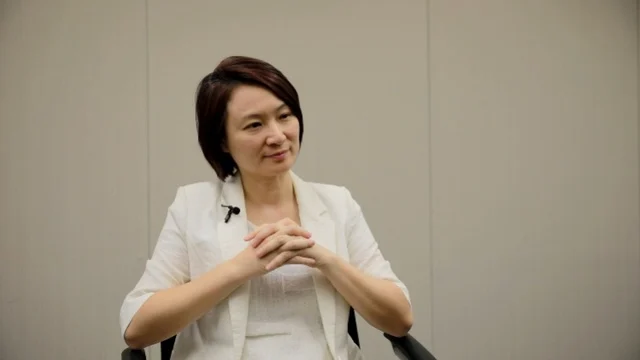
Lee won the presidency with 47 votes, defeating financial services lawmaker Ronick Chan Chun-ying, who received 42 votes. The election marked the selection of the president for the eighth-term Legislative Council.
According to Hong Kong media reports, questions were raised during the pre-vote forum over Lee’s ability to balance the demands of the presidency with her other public roles, including her position as a member of China’s National People’s Congress Standing Committee. Some lawmakers expressed concern that the breadth of her responsibilities could affect her capacity to carry out the legislature’s administrative and presiding duties.
In response, Lee said her national role did not conflict with the responsibilities of the Legislative Council president and could instead be complementary. She said the dual positions would allow her to serve as a more effective conduit between Hong Kong and the central authorities, helping the legislature better understand national development priorities.
Lee pledged to manage her time carefully and optimise the division of labour after taking office, stressing that Legislative Council affairs would remain her top priority. She said other public duties would not undermine the functioning of the legislature.
Lawmakers also questioned how Lee would balance cooperation with the Hong Kong government while fulfilling the council’s constitutional role of overseeing the administration. Outlining her platform, Lee said the legislature and the executive should maintain a “constructive relationship of both cooperation and oversight”.
She added that under the principle of “patriots governing Hong Kong”, the Legislative Council should focus on improving efficiency and avoiding unnecessary internal disputes, while maintaining rigorous scrutiny over major issues affecting the public interest. Lee said she would work to strengthen communication between officials and lawmakers to promote effective governance.
