

The People’s Bank of China, together with economic planning and financial regulatory agencies, has issued new regulations requiring government bodies, public institutions, service providers and businesses to accept renminbi cash and to refrain from discriminating against customers who choose to pay with banknotes or coins. The rules are aimed at addressing complaints from elderly people unfamiliar with smartphones and from foreign visitors who find China’s dominant QR-code payment systems difficult to use.
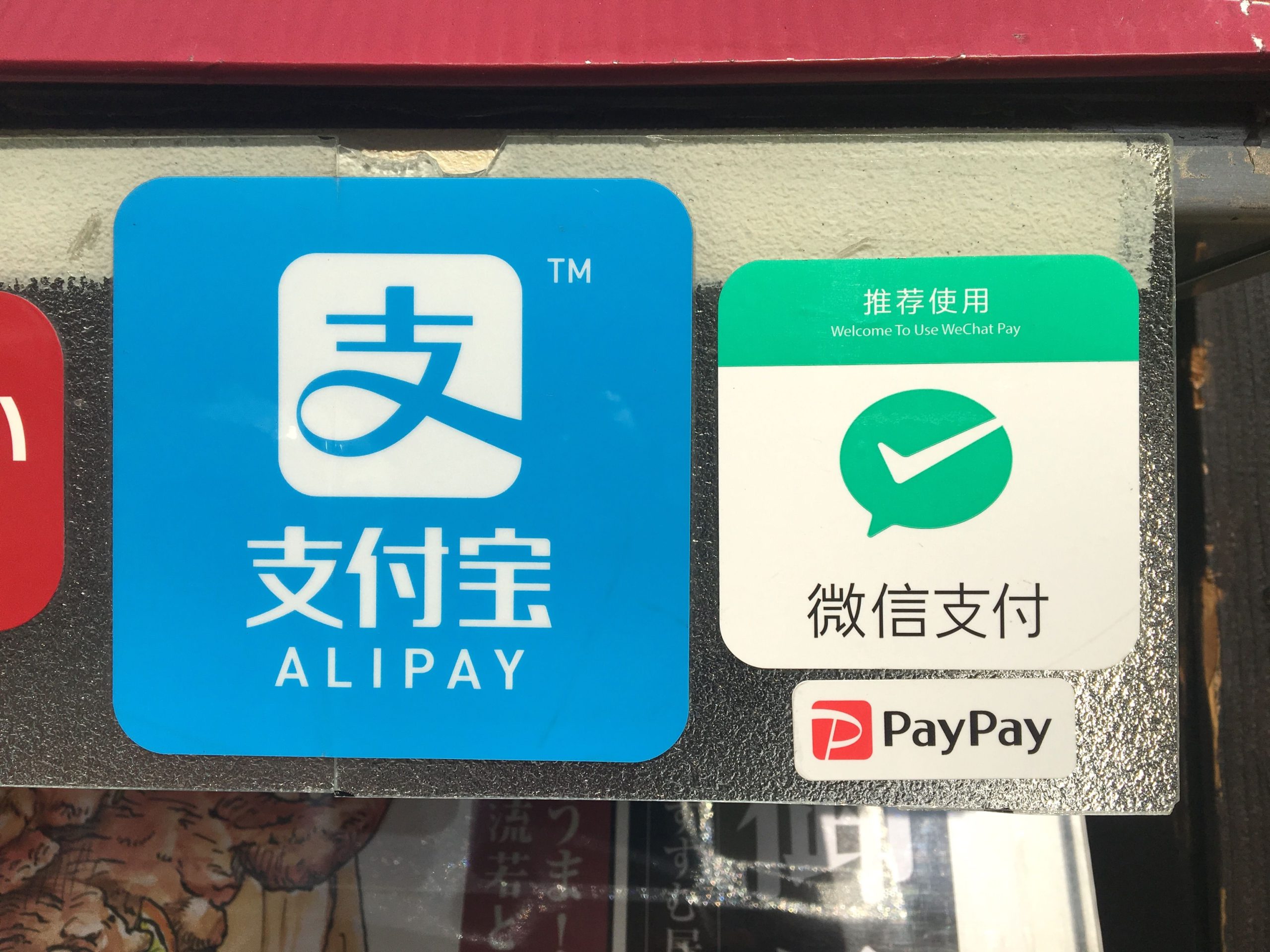
China has rapidly evolved into one of the world’s most cashless societies, with mobile payment platforms such as Alipay and WeChat Pay widely used for everything from public transport to small retail purchases. While digital payments have improved efficiency, authorities have acknowledged that an over-reliance on mobile technology has created barriers for some groups.
Under the new framework, operators providing face-to-face services, staffed payment counters or online booking with offline fulfilment must support cash payments, except in narrowly defined special circumstances. Businesses are prohibited from encouraging or forcing customers to abandon cash, effectively ending practices such as “QR code only” payment policies at supermarkets, restaurants, tourist attractions and schools.
The rules also introduce requirements for special payment scenarios. Self-service machines must be able to handle cash payments in cases where mobile payments are unavailable due to network or equipment failures. Locations operating stored-value or “all-in-one” card systems, such as campuses and parks, must offer convenient cash top-up and card refund services. Merchants using intermediaries to convert cash into digital payments are barred from charging handling fees.
Banks are also required to strengthen cash services. Commercial financial institutions must provide cash deposit and withdrawal facilities and ensure adequate availability of self-service cash machines. For customers holding large quantities of coins or small-denomination notes, banks are instructed to offer appointment-based or phased exchange services.
Consumers who encounter refusal of cash or discriminatory treatment can lodge complaints with local branches of the central bank, with regulators pledging investigations and public disclosure of penalties where violations are confirmed.
