

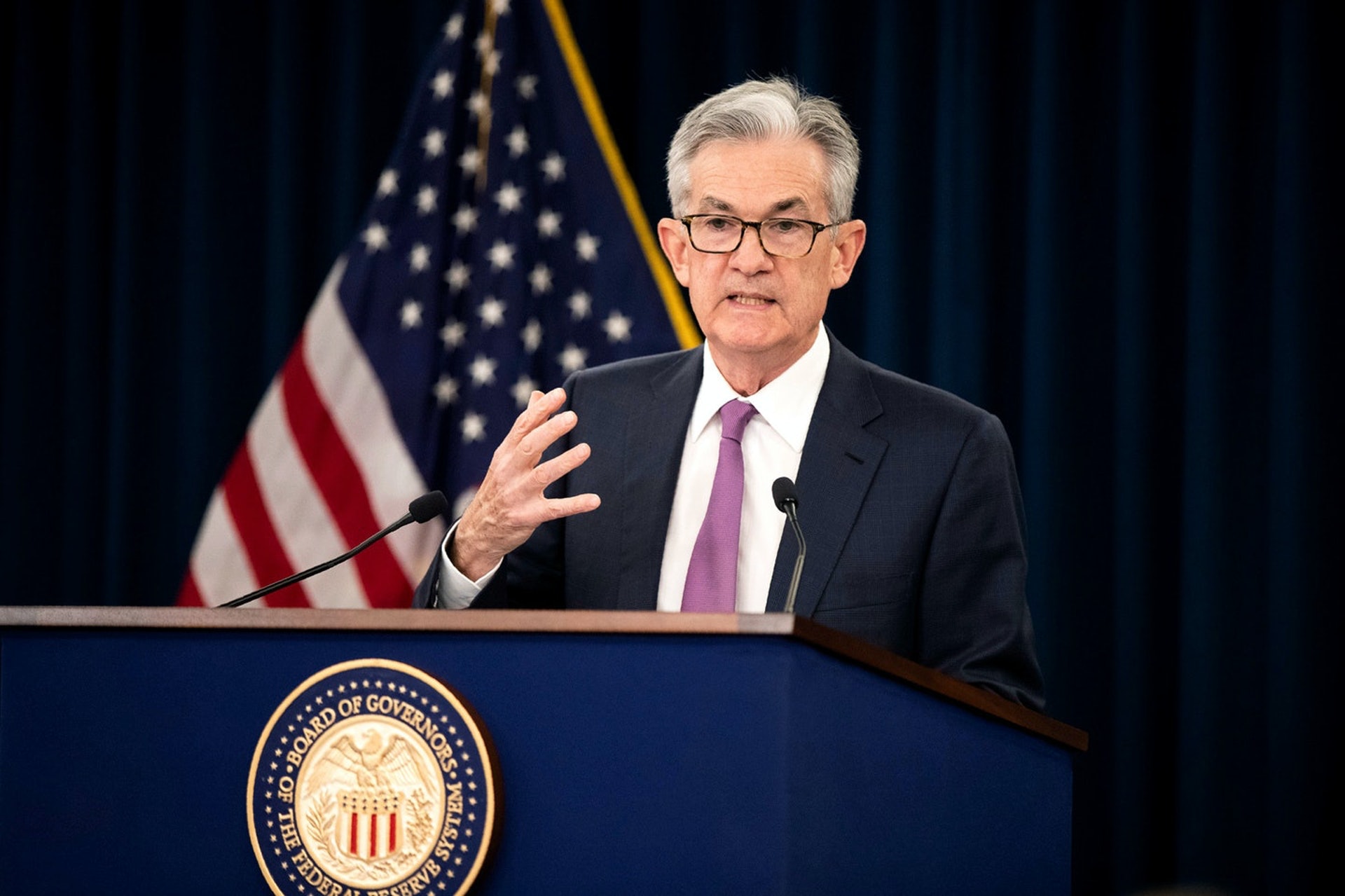
The decision revealed deep divisions within the Federal Open Market Committee. Of the 12 voting members, three dissented: two argued that policy should remain unchanged due to persistent inflation risks, while Michelle Milan — recently appointed by former President Donald Trump — supported a larger 50-basis-point cut. Kansas City Fed President Schmid and Chicago Fed President Goolsbee again cited concerns about inflation in opposing the easing move.
In its statement, the Fed noted that “in considering the extent and timing of additional adjustments to the target range for the federal funds rate, the Committee will carefully assess incoming data, the evolving outlook, and the balance of risks.” The emphasis underscored increased uncertainty surrounding the policy path. Updated projections show GDP growth reaching 2.3 percent in 2026, inflation easing to 2.4 percent and unemployment remaining at 4.4 percent, though the expectation of only one cut next year has prompted markets to reassess the likely pace of monetary easing.
The latest review was also complicated by gaps in US economic data. A budget standoff in Washington has temporarily halted the release of several key indicators and may lead to some datasets being discontinued, making it harder for policymakers to evaluate economic conditions.
Since beginning the rate-cut cycle in September, the Fed has resisted Trump’s public calls for more aggressive easing, amid concerns that his tariff proposals could add upward pressure to prices. Fed Chair Jerome Powell’s term expires in the spring, and the White House is assessing potential successors, with former economic adviser Kevin Hassett seen as a leading candidate. From 2026, several more hawkish officials will rotate onto the FOMC, a shift analysts believe may result in a more cautious stance.
Following the US decision, the Hong Kong Monetary Authority lowered its base rate by 25 basis points to 4 percent with immediate effect. The base rate is set at the higher of the lower bound of the federal funds target range plus 50 basis points, or the five-day moving average of overnight and one-month HIBOR.
