

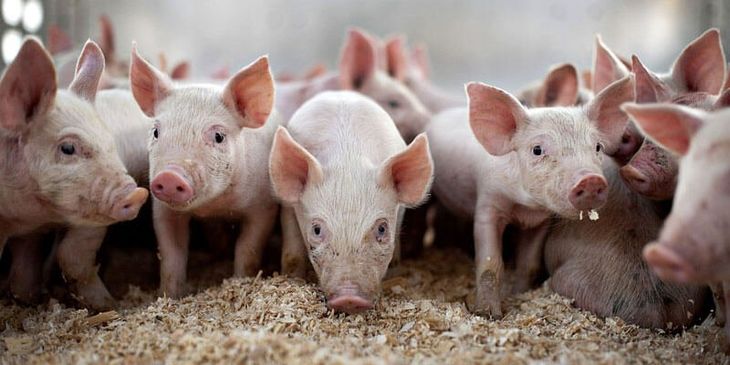
Recent outbreaks have been reported in Asia, Europe, and Africa, prompting emergency measures to contain the disease. Authorities are enforcing quarantines, movement restrictions, and the destruction of infected and exposed animals. The disease has already decimated pig populations in affected regions, leading to rising pork prices and shortages in local and international markets.
Economists warn that continued outbreaks could destabilize the pork industry for months or even years, with ripple effects for related sectors including feed production, transportation, and food processing. Governments are urging farmers to adopt strict biosecurity measures to prevent further spread.
Challenges in Containment
African swine fever spreads easily through direct contact between pigs, contaminated equipment, and even pork products. There is currently no vaccine widely available, making containment and prevention the main tools for controlling outbreaks. Scientists and veterinary organizations are working urgently to develop effective vaccines and treatments, but large-scale deployment may take several years.
Global Response
International organizations such as the Food and Agriculture Organization (FAO) and the World Organisation for Animal Health (WOAH) are coordinating responses to limit the disease’s spread and support affected countries. Experts emphasize that vigilance, rapid reporting, and cross-border cooperation are critical to preventing a global crisis in pork production.
African swine fever serves as a stark reminder of the vulnerability of global food systems and the importance of early detection, stringent biosecurity, and coordinated international action in protecting livestock and food supply chains.
