

The rollout was announced on the evening of October 14th after receiving approval from the Ministry of Industry and Information Technology (MIIT) to begin large-scale eSIM trials.
China Unicom said the eSIM technology offers high levels of security and stability while allowing users to switch carriers seamlessly. The company described the service as enabling “card-free activation, multi-device synchronization, and global seamless roaming.” Unicom has already adapted 75 devices — including smartphones, smartwatches, and tablets — for eSIM use, with millions of active users already on the platform.
China Mobile launched its pre-registration service for eSIM-enabled phones on October 13th, attracting more than 150,000 sign-ups within just four hours. The company said its eSIM offering will cover a complete product ecosystem, including mobile phones, tablets, smartwatches, and in-car devices. Customers can visit local service centers to activate the feature, or use the China Mobile app to locate participating outlets.
China Telecom also received MIIT approval on October 13th, confirming that its eSIM services are now available across all 31 provinces, autonomous regions, and municipalities. During the current commercial trial phase, online sign-ups are not yet available; users must visit designated retail outlets in person with an eSIM-compatible device to activate the service.
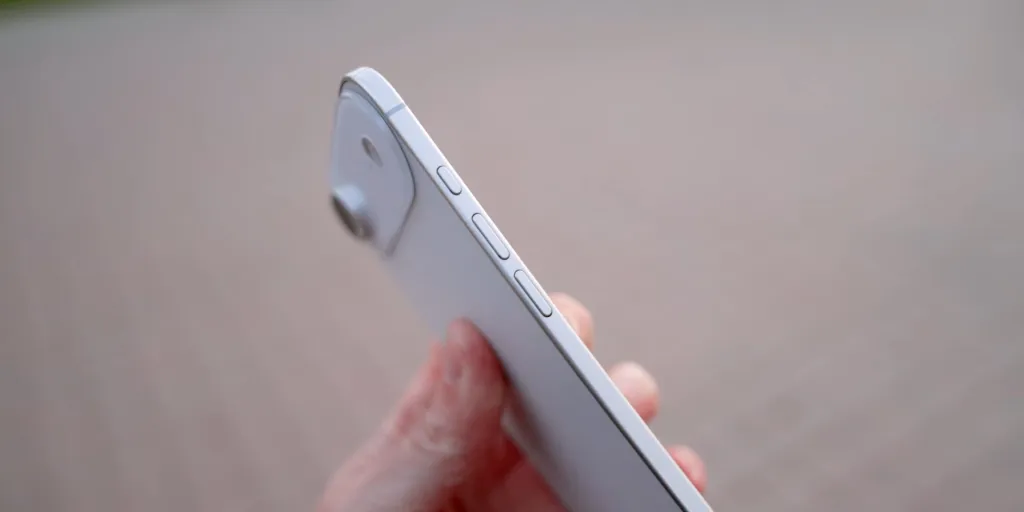
An eSIM, or embedded SIM, replaces the traditional physical SIM card with a digital profile, allowing users to connect to mobile networks without inserting a card. Compared to conventional SIM cards, eSIM phones can switch between carriers more flexibly while freeing up internal space, enabling larger batteries and improved waterproofing.
Market attention has also turned to whether Apple will release its new “iPhone Air” in line with China’s eSIM rollout. According to a report by Red Star News, Apple has adopted a global eSIM-only design to achieve a thinner and lighter form factor by removing the SIM card slot. However, Apple’s official China website still lists the product as “availability to be announced.”
