

This is the conclusion of a study released on Monday by the Portuguese Society Observatory Behavioral Insights Unit at the Catholic Lisbon School of Business and Economics, which assessed the concerns of Portuguese people regarding housing, migration flows and health.
In the area of health, the results of the survey conducted between 10 and 18 July reveal marked dissatisfaction with the functioning of the national health service.
Among the 1,134 respondents, aged between 20 and 69, 89.6% consider that the current state of the health service is leading to a deterioration in the quality of services provided and 85.1% fear that they will not receive the necessary assistance in case of illness.
Similarly, 84.6% even fear that the health service could negatively affect their quality of life, and about eight out of ten are concerned about the possibility of paying more for healthcare.
Looking at specific situations, the study points out that 37.4% said they had postponed appointments or treatments with some regularity due to long waiting times, a pattern which, according to the authors, “shows that waiting lists continue to represent a significant obstacle” for some people, with “implications for equity and continuity of care.”
Responsibility is attributed mainly to the government, whose performance is the target of dissatisfaction for more than half of those surveyed (64.2%), but also to the current national health authority, criticised by 56.8%. On the other hand, 57.3% expressed satisfaction with doctors, nurses and auxiliary technicians.

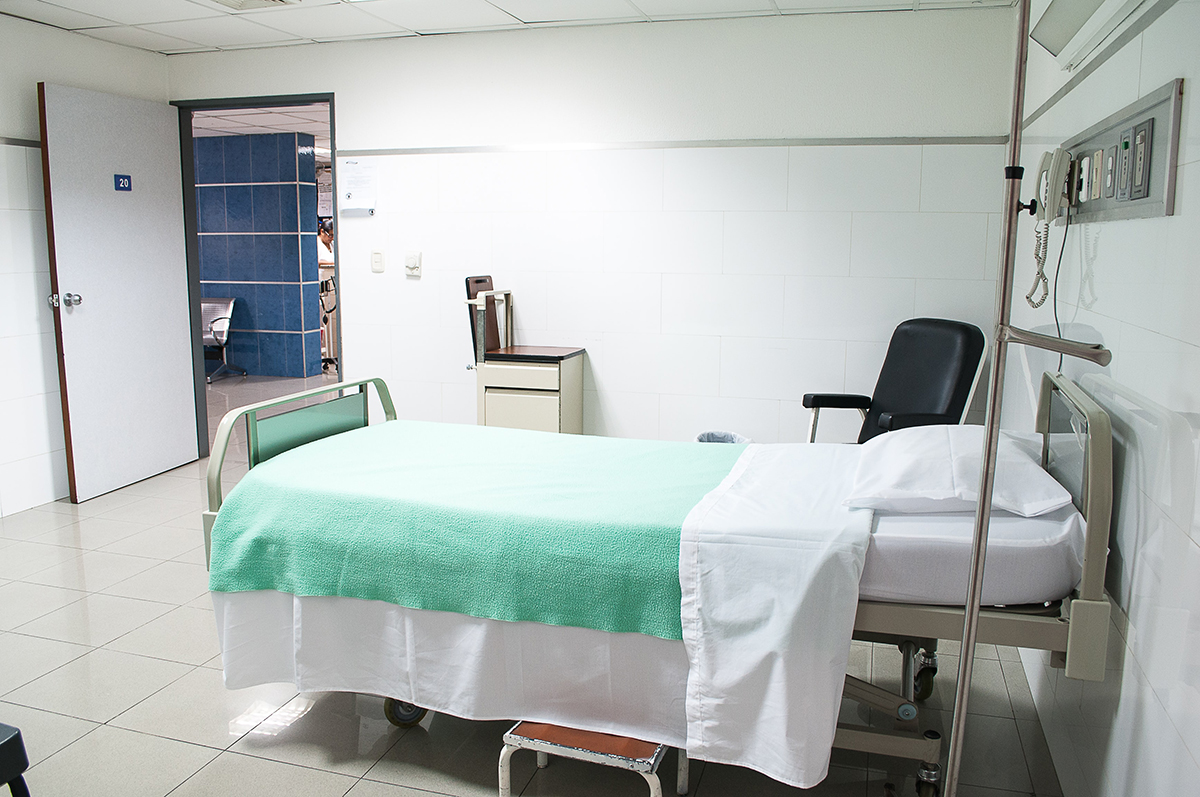
In the area of health, the results of the survey conducted between 10 and 18 July reveal marked dissatisfaction with the functioning of the national health service. ANTÓNIO PEDRO SANTOS/LUSA
Despite their negative assessment of the health service, many still do not see private health insurance as an alternative, and around four in ten say they do not feel the need to resort to this option.
Thus, health represents a small portion of the expenses of most families, and for more than half of those surveyed (62.5%), spending in this area does not exceed 10% of their income. The same does not apply to housing, which has an increasingly significant impact on families’ monthly budgets.
According to the survey results, 36.4% of Portuguese people spend more than 30% of their household income on rent or mortgage payments, but more and more families are exceeding the maxumum recommended 35% effort rate.
Compared to the same survey conducted in July 2024, there has been an increase in the proportion of people who say they spend at least 41% of their income on rent or mortgage payments, with the biggest difference being in the bracket above 71% of income, where 3.9% of respondents currently fall, compared to only 0.7% last year.
Access to housing is a major concern for around half of Portuguese people, who expressed great concern about the possibility of continuing to have access to adequate housing, while 65.3% are apprehensive about price developments.
As for migratory flows, emigration seems to concern fewer and fewer people (41%, down 29 percentage points compared to July 2024), while 72.4% say they are concerned about immigration, although the majority advocate a reduction in both.
Regarding the entry of foreigners into Portugal, around 40% of respondents associate immigration with increased pressure on public health and housing, and 33.4% point to the same effect on education.
Platform with Lusa
