


To halt the decline, discussions have been held on the return of the residency by investment program, which brought billions into the market but also caused residents to struggle in acquiring their own homes. Academics, civic associations, and the real estate sector itself advocate for a more comprehensive scheme.
The return of the Residency Authorization Program, which was in place from 2000 to 2007, is a proposal from the real estate sector, which argues that economic stimulation is necessary. “Currently, Macau lacks ‘fresh money.’ If residents lack confidence in the city, it will be very difficult to relaunch the economy,” says Franco Liu, Managing Director of Savills (Macau) Limited and Vice-President of the General Association of Macau Real Estate Sector.
Participants in the program were required to make a minimum investment of one million Hong Kong dollars in real estate. Starting in 2005, a higher academic degree, a fixed deposit of 500,000 patacas for seven years, and restrictions on the number of family members included were imposed—yet demand remained high. Between 2000 and 2007, authorities granted 57,000 residencies under the program, bringing over 10 billion patacas in investment to the market.
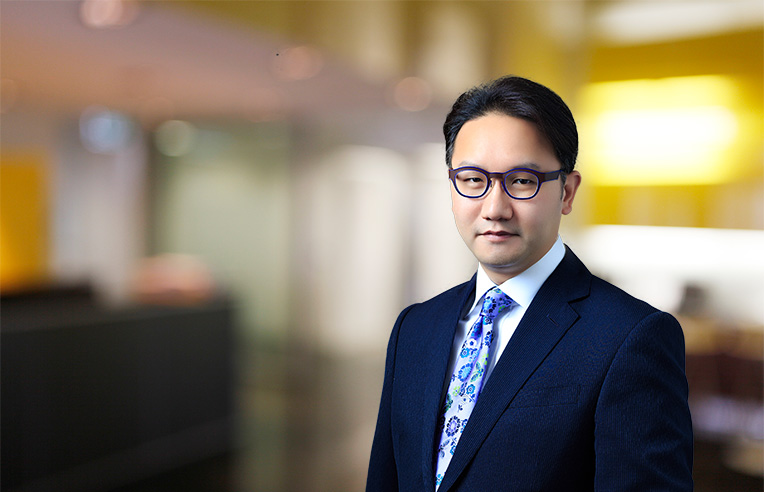
“Currently, Macau lacks ‘fresh money.’ If residents lack confidence in the city, it will be very difficult to relaunch the economy,” says Franco Liu, Managing Director of Savills (Macau) Limited and Vice-President of the General Association of Macau Real Estate Sector.
The government suspended the program in 2007, citing reasons such as the overheating of the real estate market, uncontrollable housing price increases, and administrative pressures caused by the high volume of applications, some with irregularities.
Franco Liu acknowledges that the current conditions are very different from those in 2000, making it unlikely that residency in Macau could be obtained again with an investment of just one million Hong Kong dollars. According to him, the new program in Hong Kong demonstrates that investment can be attracted without fueling real estate speculation—a minimum of 30 million Hong Kong dollars, with 27 million required to be allocated to non-residential assets. Despite such restrictions, he argues that this measure successfully revitalized the rental market.
Smart Investment
Lou Shenghua, a Social Sciences professor at Macau Polytechnic University, calls for caution, warning about the risk of housing price increases and exacerbated social tensions. Speaking to PLATAFORMA, the academic highlights that “the primary beneficiary of relaunching the investment immigration program would be the real estate sector, which could generate employment in the sector but would contribute little to stimulating domestic consumption.”
He admits that in a moment of market downturn, the proposal may seem appealing but insists that it should be approached “with caution.” “Investment immigrants could conflict with local residents in terms of access to social benefits and contribute to rising housing prices, making it even more difficult for the local population to acquire their own homes,” he emphasizes.
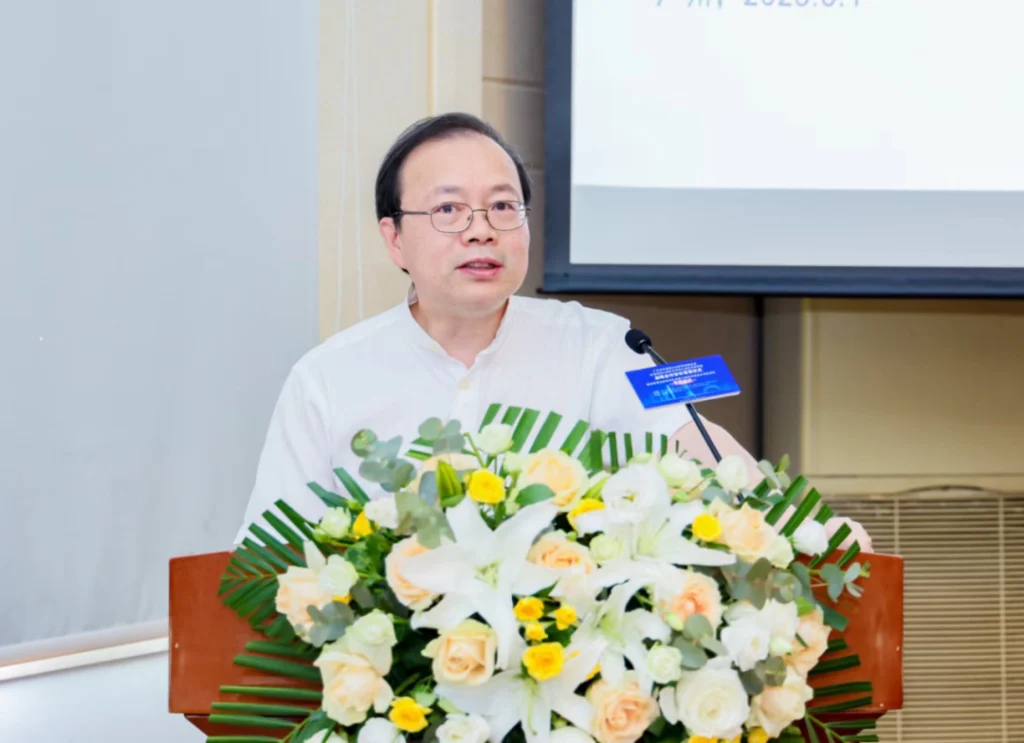
“the primary beneficiary of relaunching the investment immigration program would be the real estate sector, which could generate employment in the sector but would contribute little to stimulating domestic consumption.” Said by Lou Shenghua, a Social Sciences professor at Macau Polytechnic University
According to the academic, the current context is substantially different: “The gaming economy is still recovering, residents’ incomes have grown little, and housing supply is greater than in the past.”
Analyzing the current market situation, he notes that the government has only eliminated the additional stamp duty and reduced the loan-to-value ratio, “but has not introduced concrete policies to incentivize housing purchases by local residents.” He thus advocates for the implementation of stimulus measures targeted at local buyers as well as the creation of professional retraining programs for real estate agents affected by the sector’s crisis.
The People Power Association submitted a letter to the government in June last year openly opposing the possible return of the program. Speaking to PLATAFORMA, Lam Weng Ioi, President of the association, states that the program “is nothing more than a disguised sale of Macau residency cards,” arguing that it not only inflates housing prices but contradicts the “national housing policy of living, not speculating.”
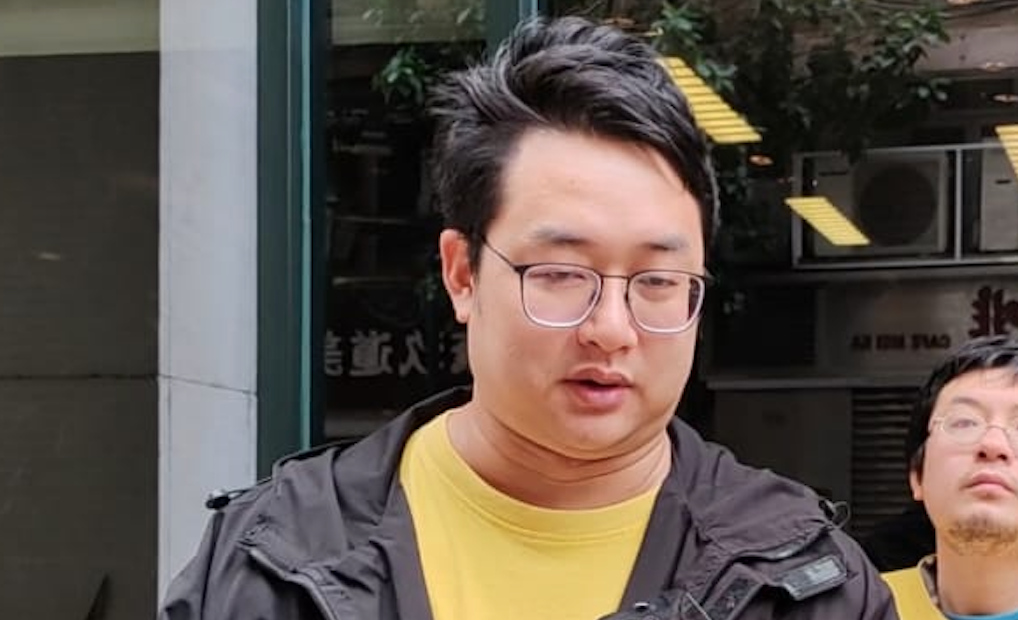
Lam Weng Ioi, President of the association, states that the program “is nothing more than a disguised sale of Macau residency cards”.
Lam further considers that the model “would only benefit major property developers holding vast portfolios of real estate, without any real benefits for local residents.”
Regarding the possible overlap between investment immigration and programs to attract qualified professionals, Lou admits that “many countries and regions employ both—the attraction of talent and investment—to reinforce the active population and bring in foreign capital.” However, he argues that “the investment immigration policy should not rely solely on real estate acquisition but instead follow a broader logic of productive investment.”
[inline_related_posts title=”You Might Be Interested In” title_align=”left” style=”list” number=”3″ align=”none” ids=”” by=”tags” orderby=”rand” order=”DESC” hide_thumb=”no” thumb_right=”no” views=”no” date=”yes” grid_columns=”2″ post_type=”” tax=””
