

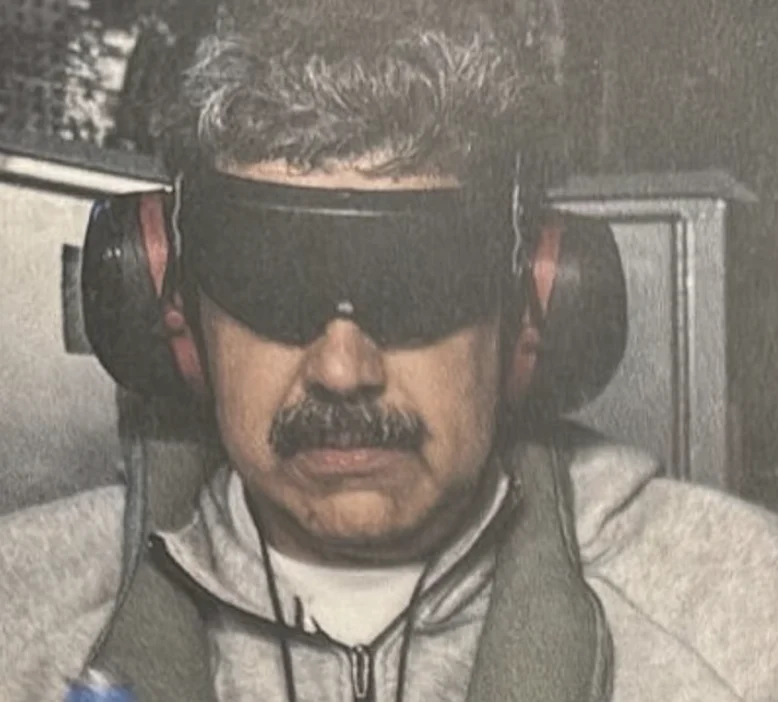
“Today an illegitimate regime that destroyed a rich country and caused suffering to its people comes to an end,” Trump said, assuring that the United States will “help Venezuela carry out a safe, stable and responsible transition of power”. According to the US president, the objective is to prevent institutional collapse and create conditions for free elections. “We will not allow a power vacuum or a return to chaos,” he stated.
Trump was particularly emphatic about the role of oil in the country’s future. “Venezuela has some of the largest energy resources in the world, which were ruined by corruption and mismanagement,” he said, arguing that the recovery of the oil sector will be essential to relaunch the economy. “With the right leadership, oil can once again serve the Venezuelan people,” he added, acknowledging the possible involvement of international companies in the reconstruction process.
International reactions were swift and divided. The Brazilian government expressed concern over developments and called for a transition that respects Venezuelan sovereignty. “Regional stability depends on a lasting political solution,” an official statement said. Mexico stressed that “Venezuela’s future must be decided by Venezuelans”, warning of the risks of a prolonged intervention.
In Europe, Spain said the fall of the current government “opens an opportunity for democratic restoration”, but defended clear guarantees regarding the political timetable. France called for moderation and respect for international law, stressing that any transition process should involve the international community in a multilateral framework.
Russia condemned the actions of the United States, describing them as “a serious violation of a state’s sovereignty”. “No country has the right to impose political change by force,” said the Russian Foreign Ministry. China expressed “deep concern” and reiterated its opposition to external intervention in the internal affairs of other countries.
Inside Venezuela, sectors of the opposition reacted cautiously. An opposition leader said that “the end of the Maduro government was inevitable”, but warned that “the transition cannot turn into foreign tutelage”. “We need international support, not a substitution of power,” he said.
At the end of the day, Venezuela stands at a historic turning point. Between the guarantees offered by Trump, the centrality of oil and the contrasting reactions of the international community, the country’s future remains uncertain. The direction of the promised transition and the way it is carried out will determine not only Venezuela’s destiny, but also the political and strategic balance of the region.
